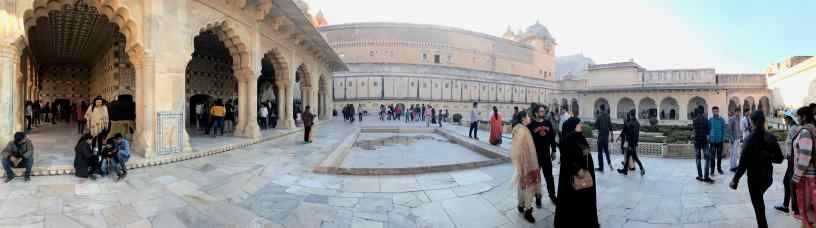
The target of most visitors to North India will include Delhi, Jaipur and Agra. This triangle of cities showcase India’s role as a powerful Mughal nation, a former British colony and as an emerging economic powerhouse.
India’s many people and their pulsing energy are the backdrop for this nation. Everywhere there are folks leading their daily lives active in the streets, on footpaths, road frontages, shops, businesses and any open space. From the smartly dressed elite to the people living on the streets, this nation is striving for better conditions and opportunities for its people.
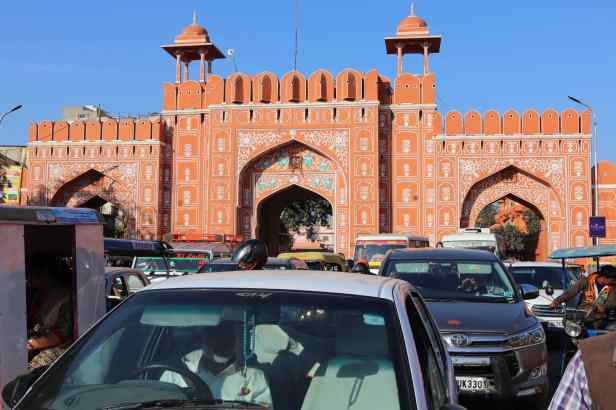
There has been a huge investment in infrastructure with a network of freeways, toll and public roads for its enormous vehicle fleet. Keeping pace is not possible. Traffic congestion is a huge and continually growing problem. Motorbikes, tuktuks, cars, cows, dogs, trucks and pedestrians compete for road space. Movements are all fluid until things jam up and then the snarls are solid, impenetrable and add hours to journeys. Roundabouts and pedestrian movement are particular challenges. Drivers often go both ways around roundabouts and pedestrians are challenged by anything other than simple streets. Crossing in the shadow of locals, preferably extended family groups that take up considerable road space, is a useful defensive strategy.
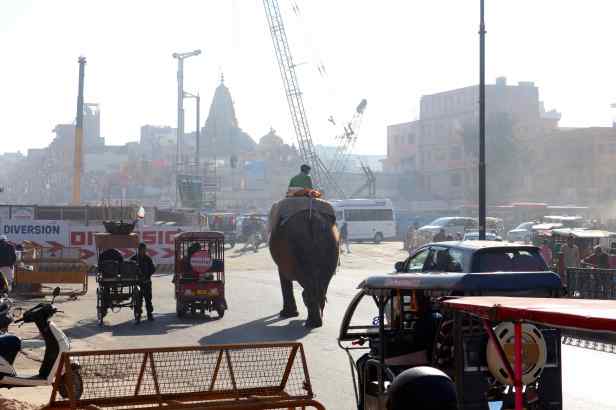
Meanwhile the metro is critical for movement within Delhi and is being mirrored in other cities such as Jaipur. We didn’t travel on the Delhi metro but saw stations in myriad far flung locations that showed the extensive geographic coverage of the system. It opened in 2002. According to a guide the metro is great as long as you don’t use stations where line transfers occur in busy periods. They are a no-go zone. Trips that do not involve transfers are preferred. This nation is on the ascendancy with its young population and its enthusiasm for educating the coming generations. Schools and training institutions are widely advertised.
Air quality is a huge issue. For Delhi, visibility was limited to about 100m or so at times. The air irritates the lungs causing coughing and respiratory distress for people sensitive to the conditions. Apart from vehicle and industry emissions, locals seem to love fires with open pit fires popular in outdoor restaurants and small fires burning rubbish, including plastics. A newspaper article referred to 1 in 8 deaths in India being attributable to air pollution.
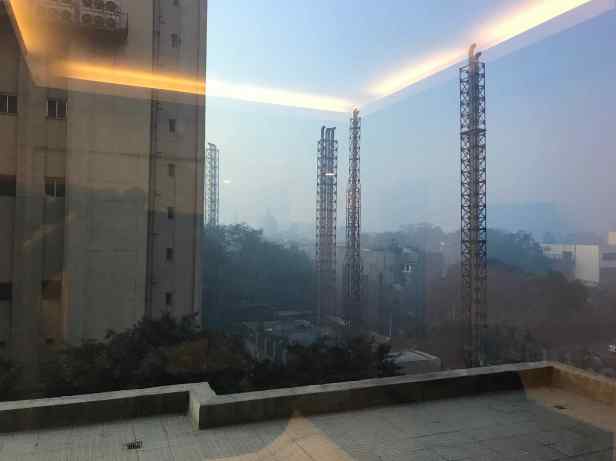
There is evidence of the government trying to deal with this problem with a new road scheme in Old Delhi, for example, allowing only the passage of electric and low pollutant vehicles. There are also electric buses shuttling visitors to sights such as the Taj Mahal. There is real effort being expended but the problem is immense, particularly in the winter. The morning mists combine with the poor air quality to form a thick lasting smog over much of the north of India, with pollutants concentrated over the cities. There is no breeze across the northern plains of India in winter to displace the air. Outside of Delhi the visibility improves but there is still a pall of smog restricting visibility beyond 250m or so. A grey haze obscures the horizon in every direction. For the respiration challenged, relievers and preventers are the go.
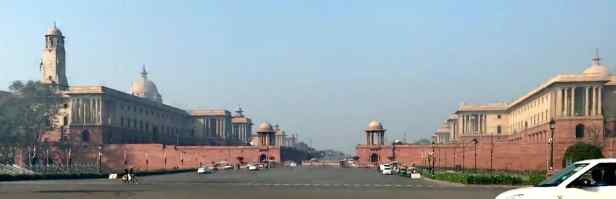
Landing in New Delhi, its broad roads, modern buildings and the absence of litter in many locations belie conditions outside of national capital. The enclave of embassies is pristine with distinctive buildings of a national style which showcase each country. The architecture of the Bhutan embassy was particularly gracious. A civilised game of football was taking place outside the Japanese embassy on its wide immaculate lawn road verge.
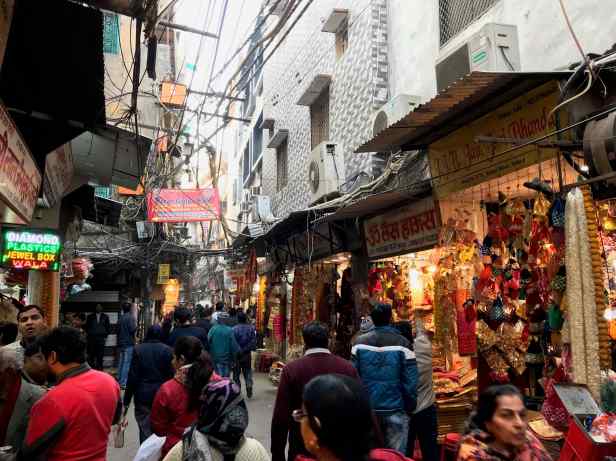
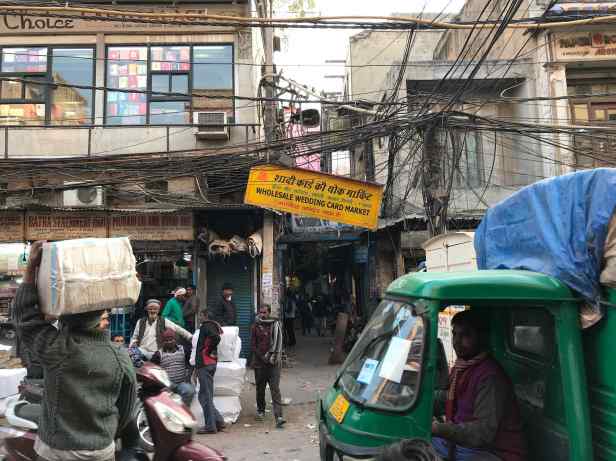
Old Delhi is a contrast with its crush of humanity in the winding commercial streets of the old city. Things move at snail pace along narrow lanes with bicycles, motorbikes and rickshaws crushed together with pedestrians. How this works to get customers to visit the specialist shops is unclear.
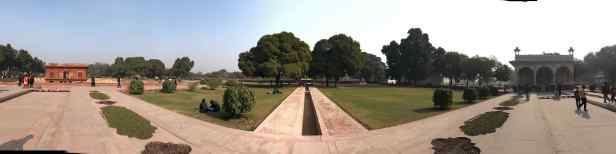
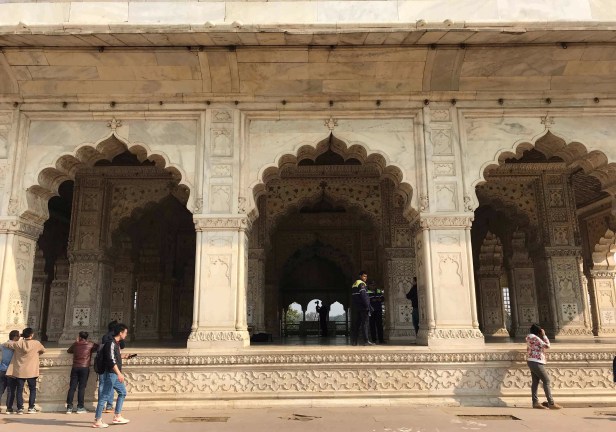
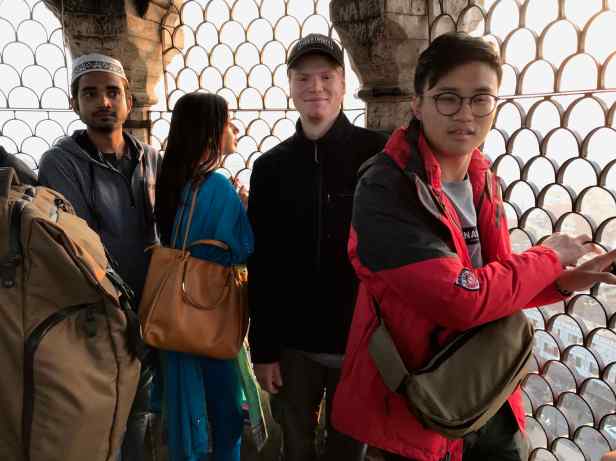
The Red Fort and Friday mosque are magnificent attractions in close proximity, bookending the old city. Climbing to the top of a minaret at the Mosque is a real treat. Views of the winding streets below are complemented with the sight of monkeys on the rooftops and kites flying high above the medieval concrete jungle.
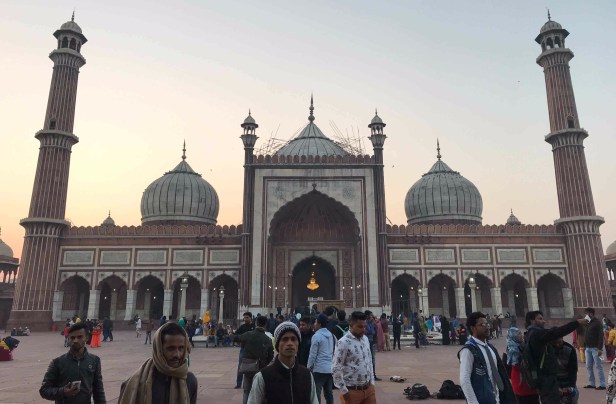
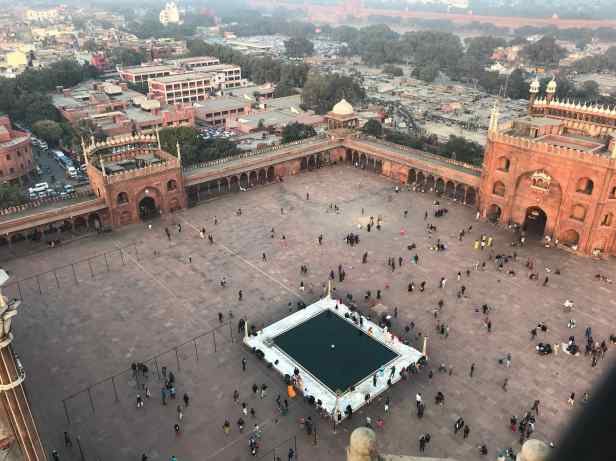
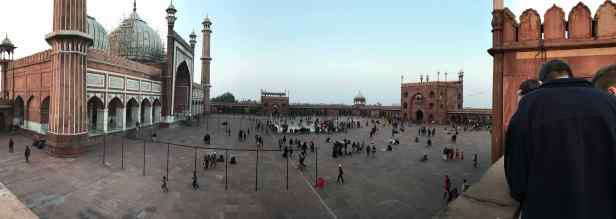
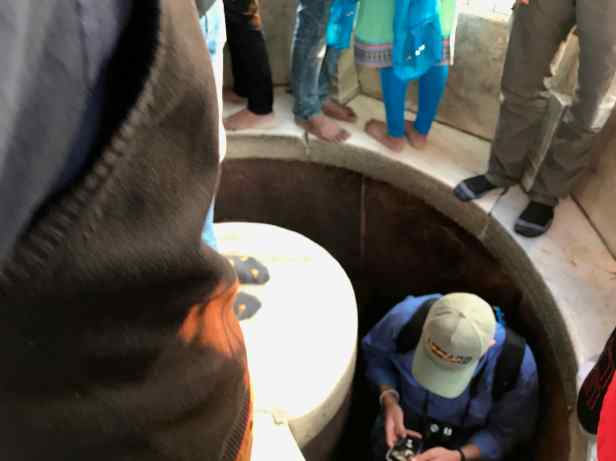
Occupational health and safety folk would however, have found the trip problematic. At the top is a crush of people including babies, small children, and many adults all looking out at the view from a small platform that features a plunging hole (the stone staircase leading downward) that is a serious hazard unrestrained by any handrails. Rather than a relaxing photo opportunity from the heights, there was a lot of adrenaline for visitors too.
At the Red Fort, and in the Golden Triangle cities of Jaipur and Agra, the previous militant and city building activities of the Mughals are showcased. These enterprising rulers were descendants of people from Iran and Genghis Khan. They ruled with industry and flair creating remarkable cities and monuments.
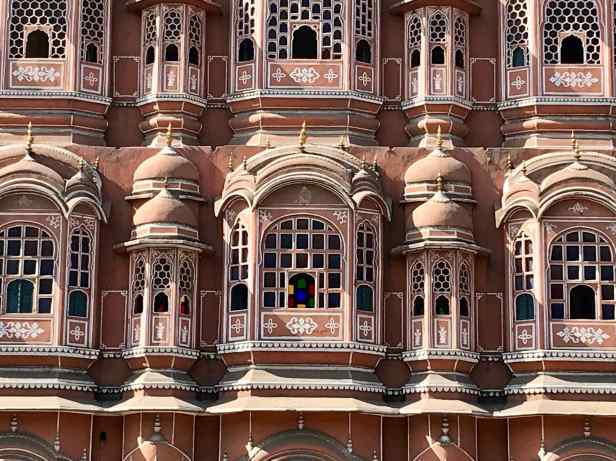
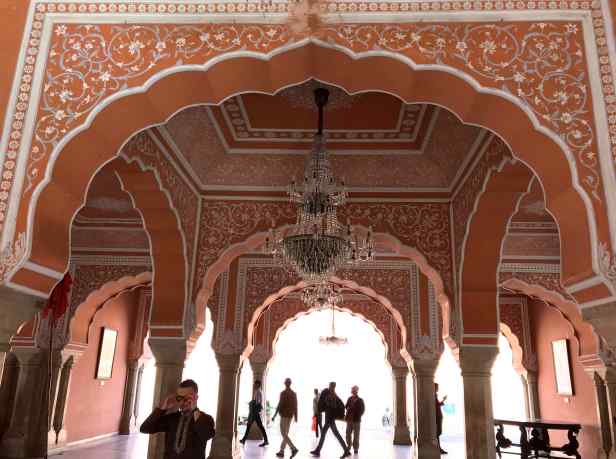
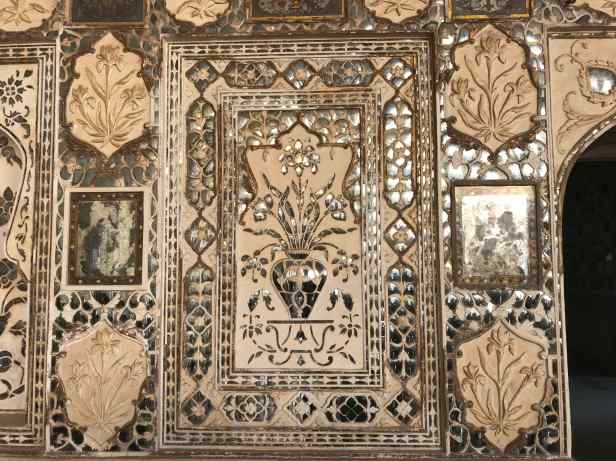
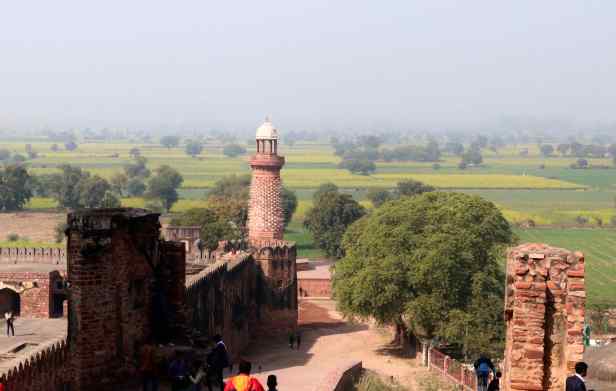
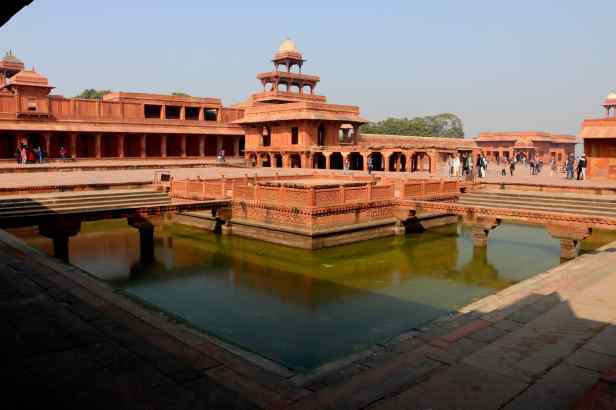
Fatephur Sikri is a magical ghost town of architectural marvels uninhabitable due to the poor water supply. Its empty fountains and water features are empty and bereft of its life force. Jaipur meanwhile is a planned city of regular blocks within a larger square grid characterised by its colourful ‘pink’ buildings and regular arcades.
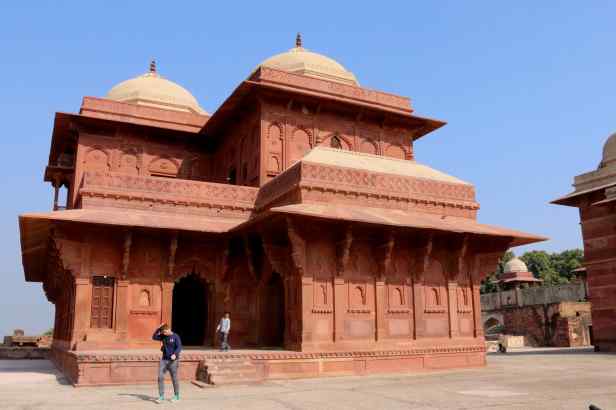
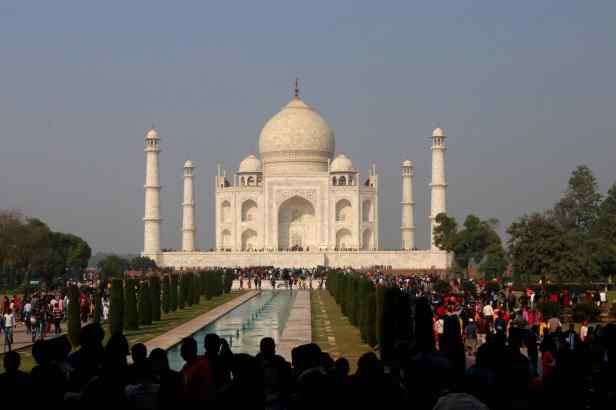
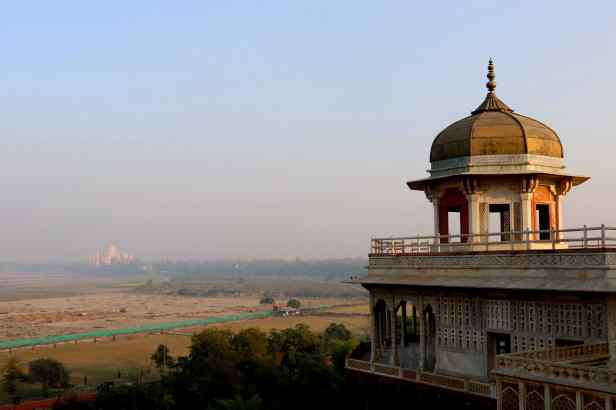
Agra’s monument to love, the Taj Mahal is superlative architecture, being a building that exceeds its visitors expectations in regard to beauty and its sublime relationship to its landscaped setting. Hordes of people crowding to visit this memorial cannot take anything away from the treat of seeing this building. Its grace is peerless. That its poor builder spent his final years imprisoned nearby in the Agra Fort by his elder son only adds to the pathos of this sight. He, at least enjoyed unhindered views of this shrine to his favourite wife.
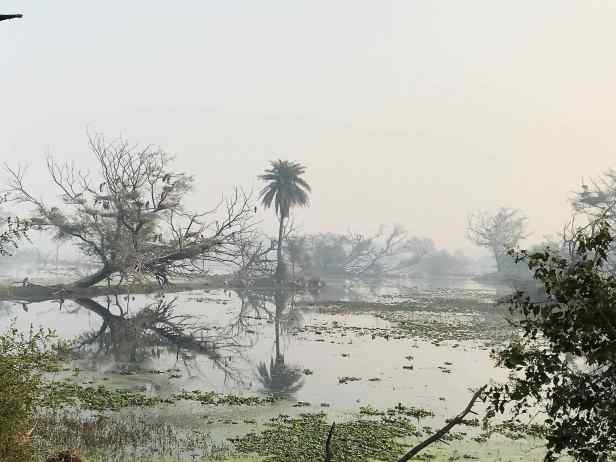
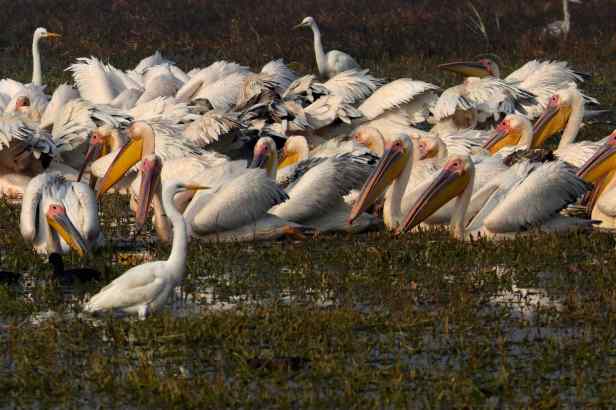
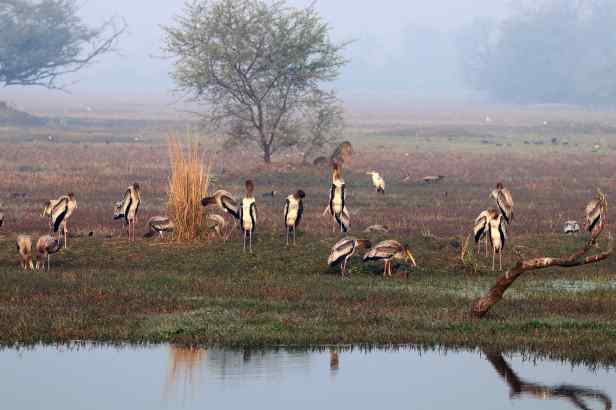
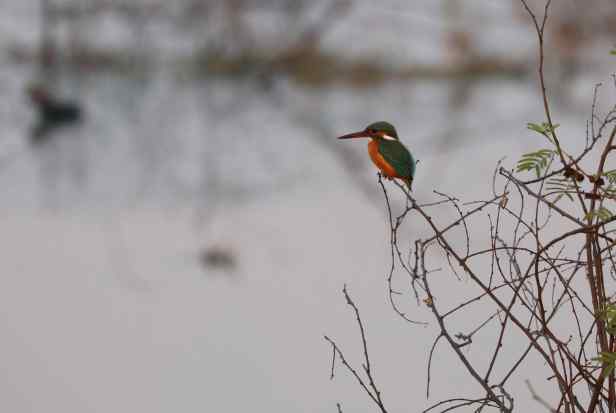
Bharaptur was a welcome interlude, a reserve of great importance for birdlife, recognised under the Ramsar convention. It was a former hunting area and provides critical breeding habitat for many species of waterbirds. Its artificial ponds and waterways are carefully managed by the national park authorities to provide optimal conditions for wildlife over the cycle of seasons from winter to the summer monsoons.
 Marian's Travel Blog
Most professional. I feel as if I am there enjoying the sights, sounds and smells. Thanks Marian
LikeLike
Fascinating!
Sent from my iPhone
>
LikeLike