
These properties are controlled by the AWC as part of a significant number of properties managed by the group. The primary focus of the group is the protection of habitat and conservation of Australian wildlife. The group was set up in Perth over 30 years and brings a robust, science-based land management approach to the properties within its stewardship. The two properties we visited were early flagship acquisitions and they are now open for restricted numbers of visitors, 80 campers per night at Charnley and along with more upmarket glamping options and 60 campers for Mornington.
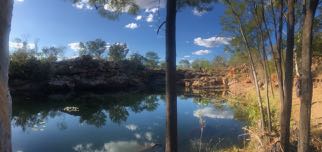
Charnley 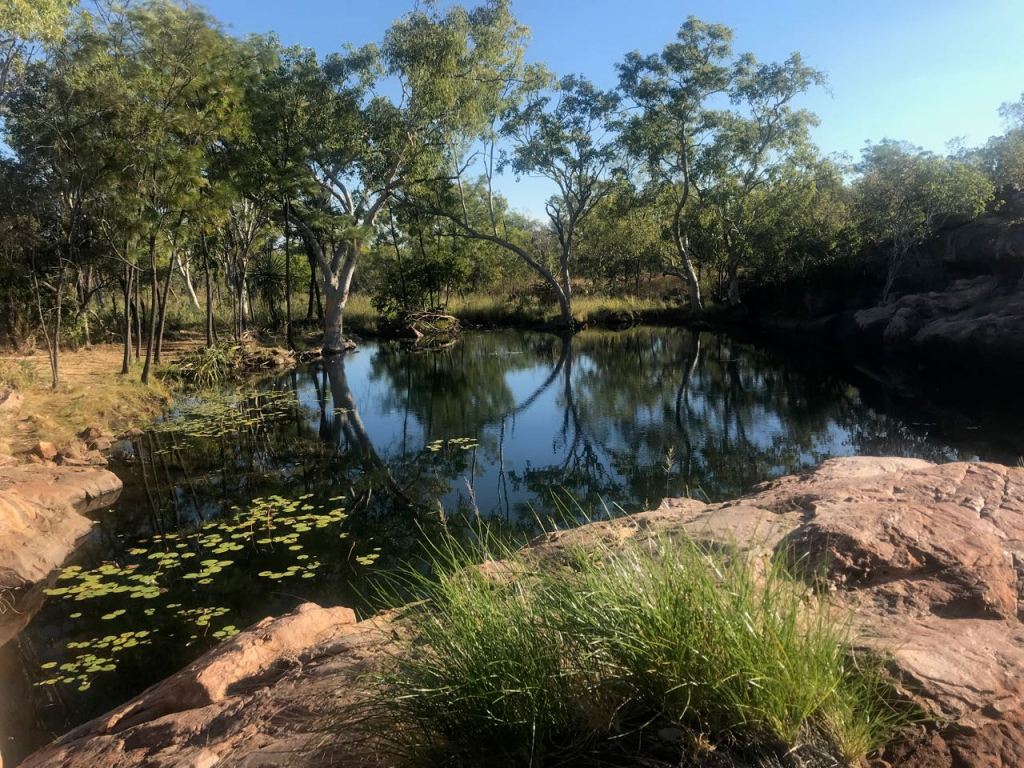
Lilli Ponds
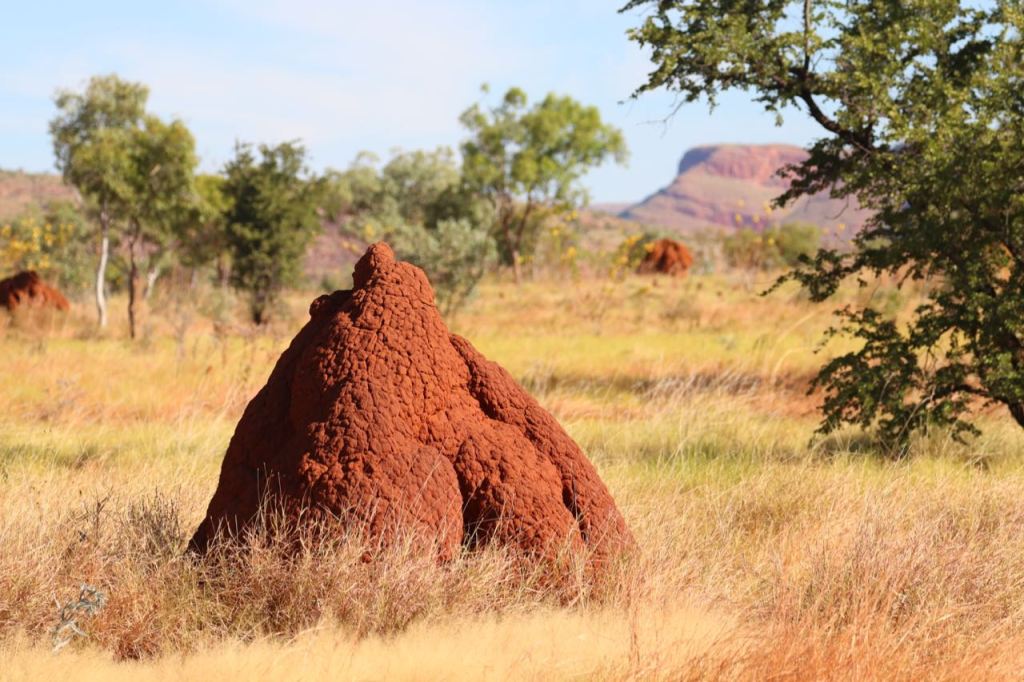
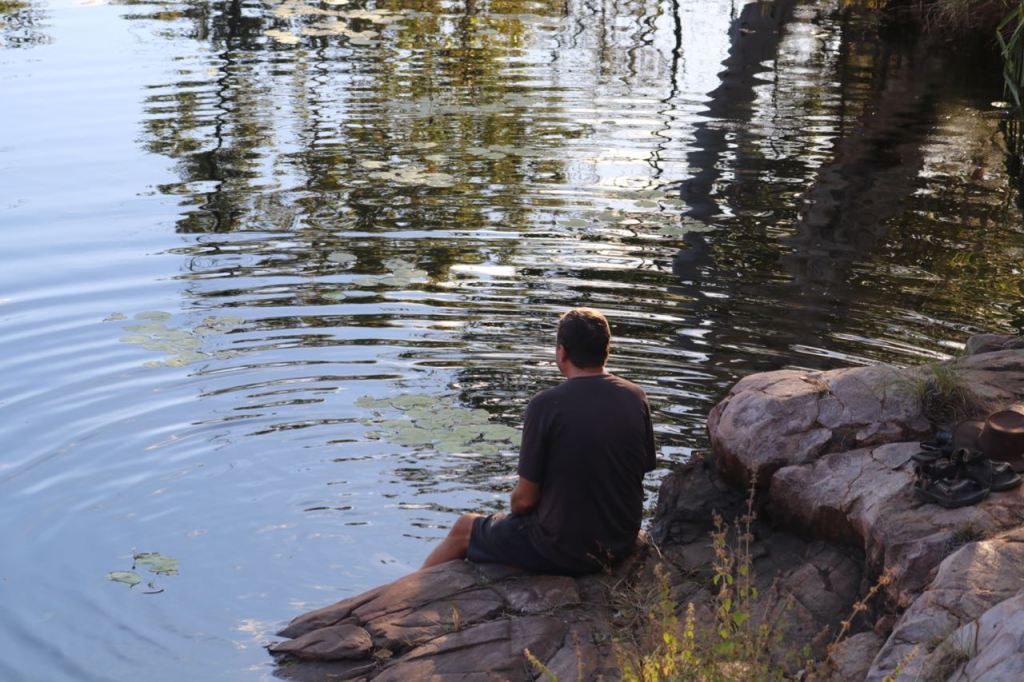
Lilli Ponds 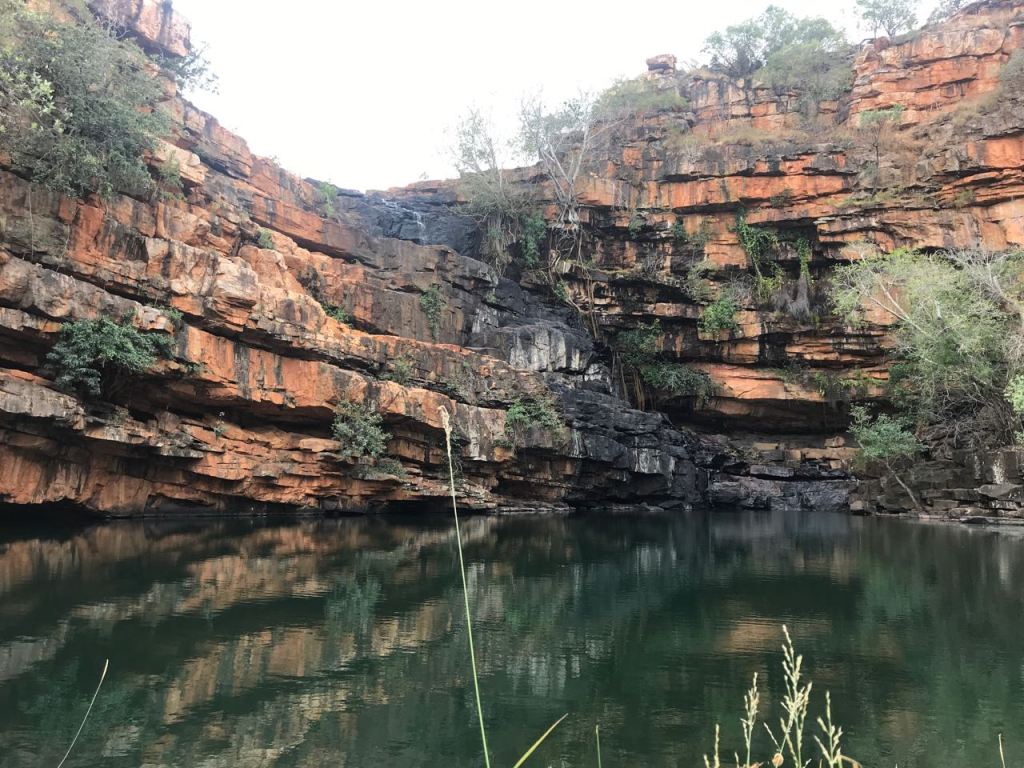
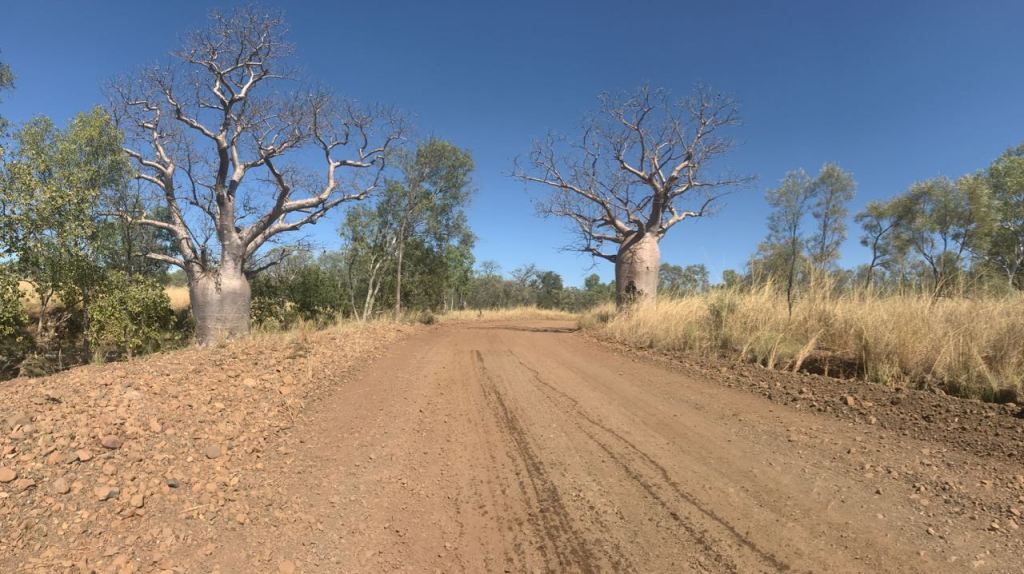
Boabs 
Approaching Mornington
The properties remain managed under pastoral leases as apparently the requirements under conservation leases are too onerous in terms of reporting. Cattle are grazed on portions of the relevant sites on areas least vulnerable to impact from cloven hoofed animals. The area of Charnley used for grazing is being reduced to 15%, with the cattle owned by an outside cattle property operation. For the Mornington property, there are 3 holdings with cattle restricted to a single holding only.
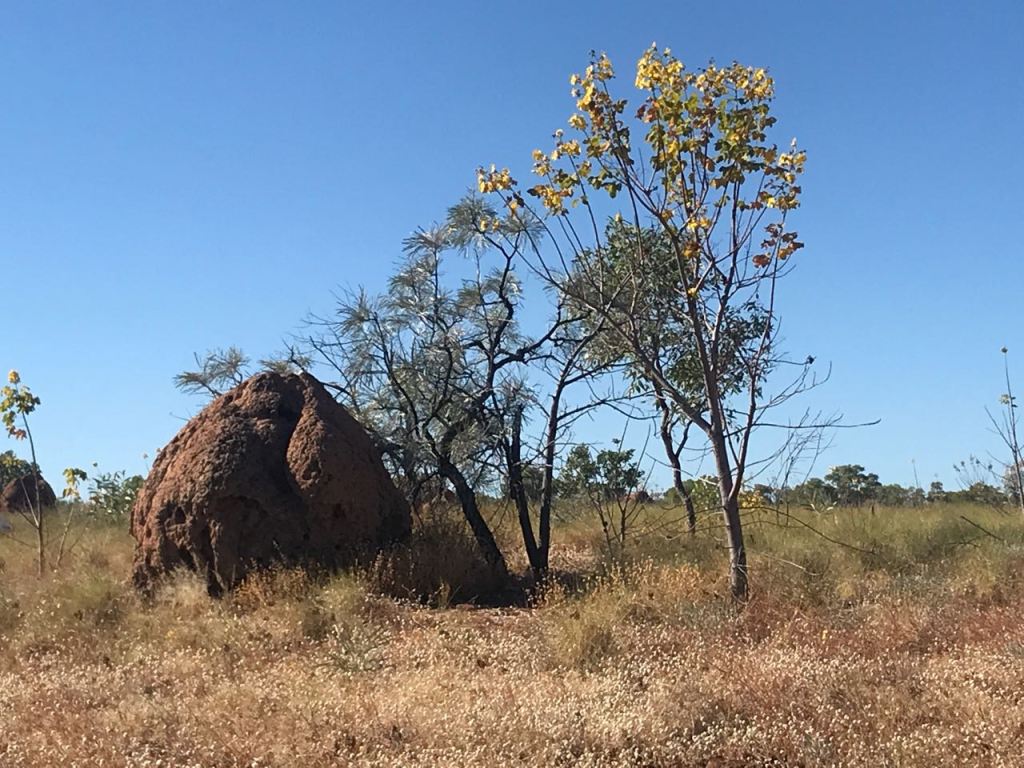
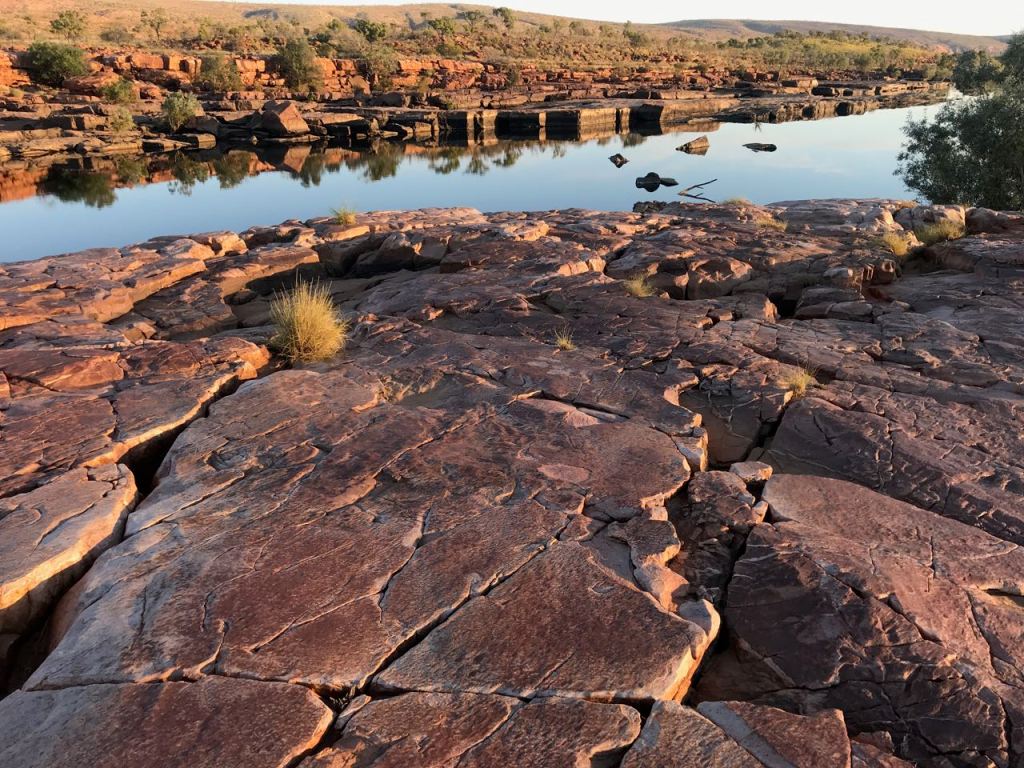
Sir John Gorge
It was fascinating to hear from some of the organisation personnel about the activities of these groups. There was a horrifying statistic in one presentation that Kakadu, the most actively managed and best-funded park in Australia has lost over 80% of its small mammal population? The driving force for the organisation is sound when you see the restricted size of some of the national parks of the Kimberley. There is always such a political environment for national parks and so many compromises. Windjana National Park and Geikie Gorge are tiny slivers of land only. With the AWC’s holdings around Australia, predator exclusion fencing has been trialled and expanded at several sites, a very effective strategy for protecting vulnerable populations.
Sir John Gorge 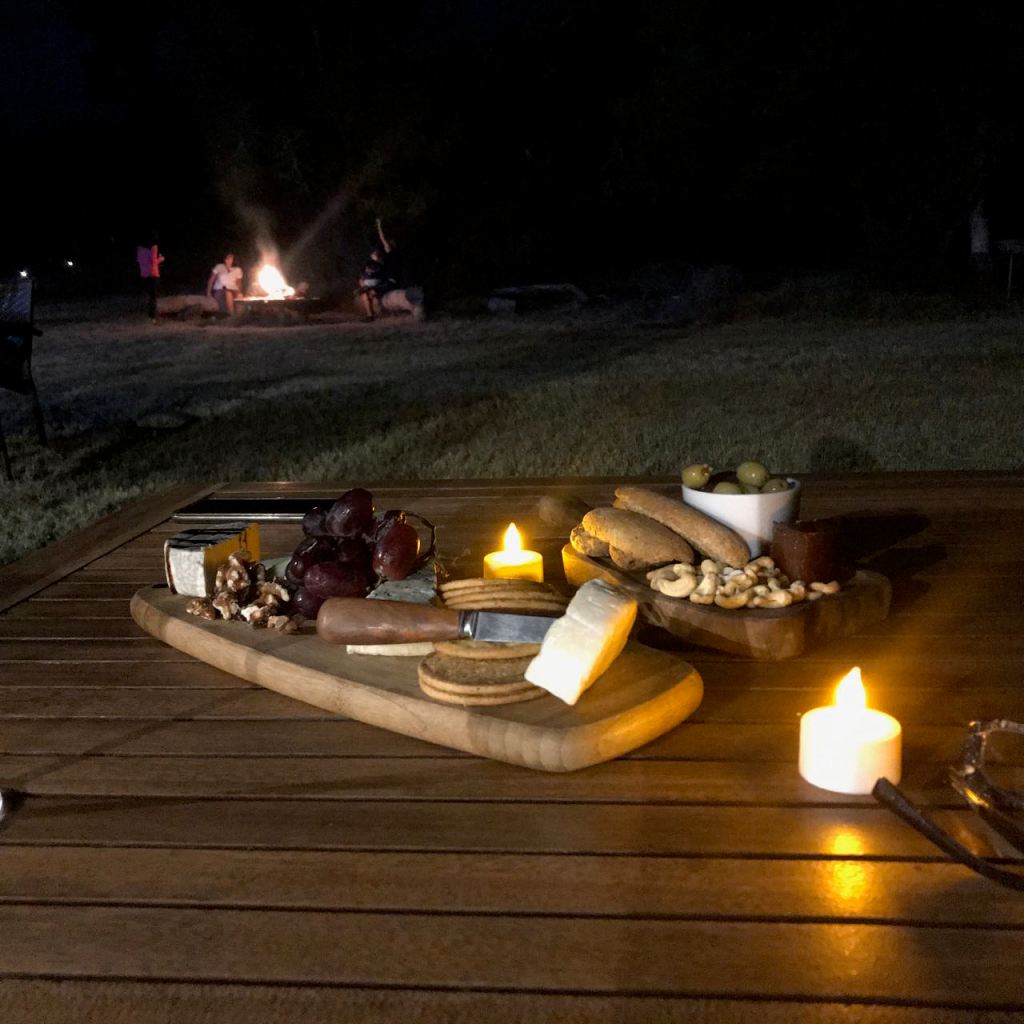
Cheese board, Mornington
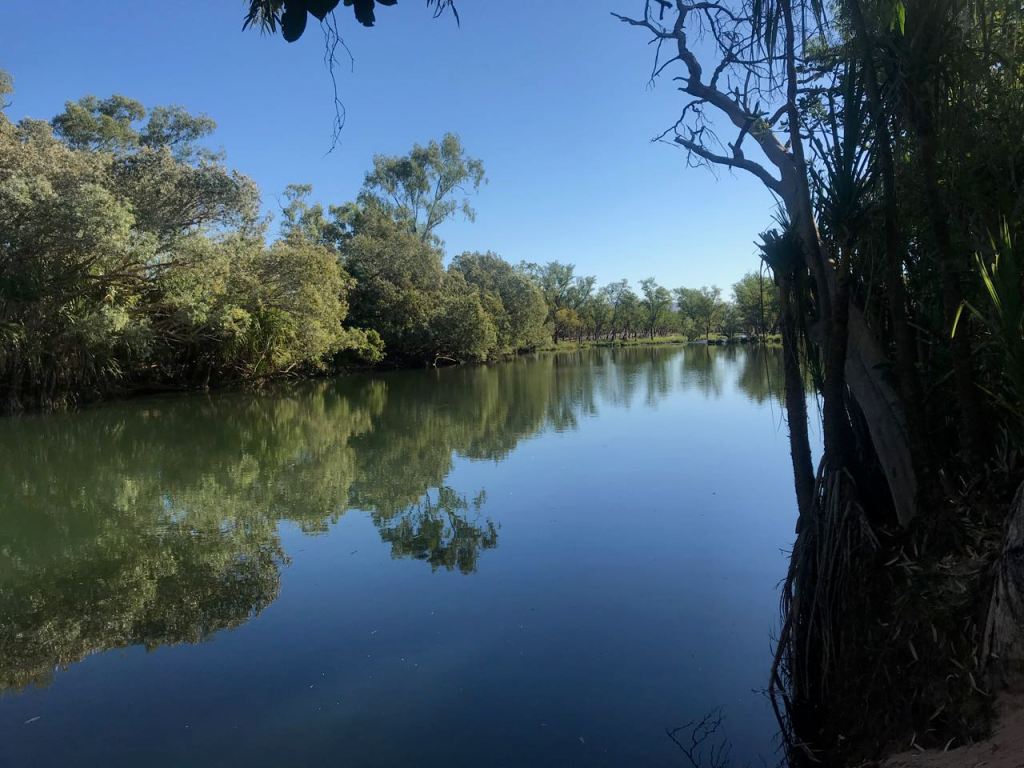
Fitzroy River 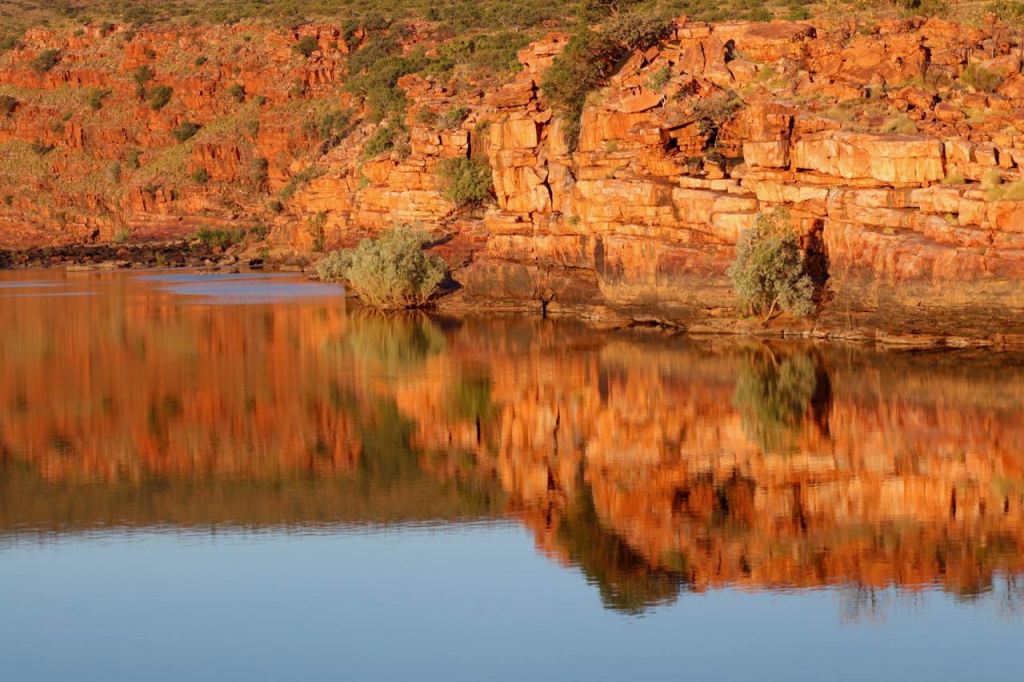
Sir John Gorge
The main threats for both Charnley and Mornington were described as feral cats, feral animals (managing the impacts of feral cattle and cattle generally) and fire. The cat issue is being addressed in a number of ways, There is a strong connection with fire in that cats are big predators of burnt out areas, so hot fires bring about near total removal of populations, whereas cold fires can leave some shelter, There have done extensive study on feral cats, capturing 50, then re-releasing them to see their behaviour – worse than predicted. Populations of endangered animals are holding on in the most remote areas. Fires are an ongoing worsening issue with global warming. Uncontrolled fires in the dry season destroy totally the array of plants and vegetation communities, so a system of cool fires burnt from incendiary devices at the beginning of the dry season are implemented from helicopters. The night dew generally puts out these fires which are intended to impact on the low plants only, not the canopy – 75% burns rather than 98% vegetation destruction in an uncontrolled burn.
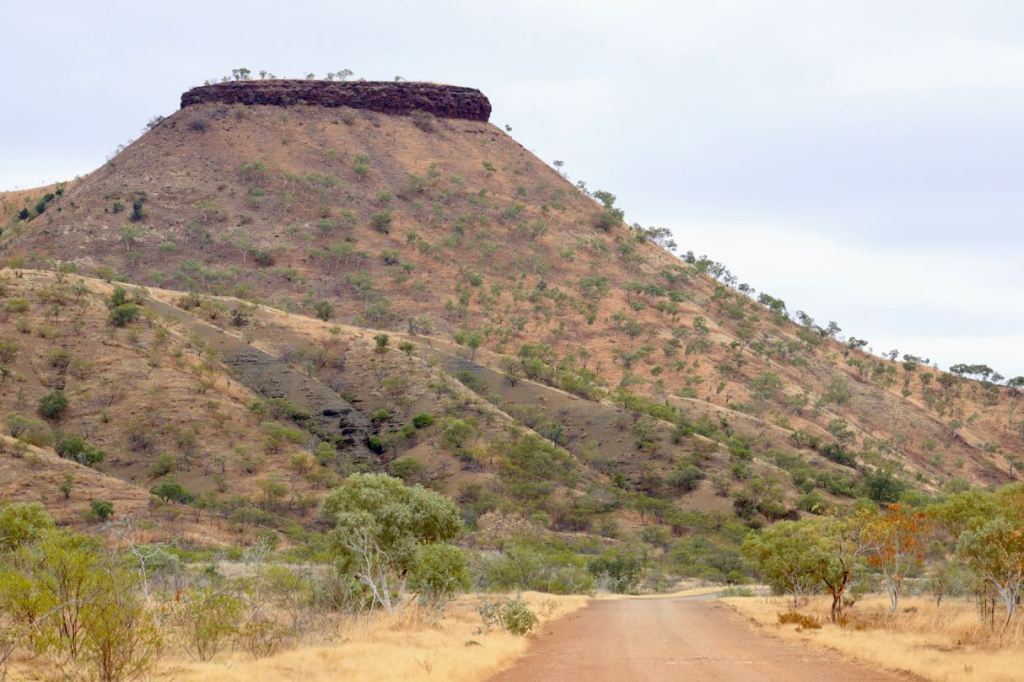
Mornington drive 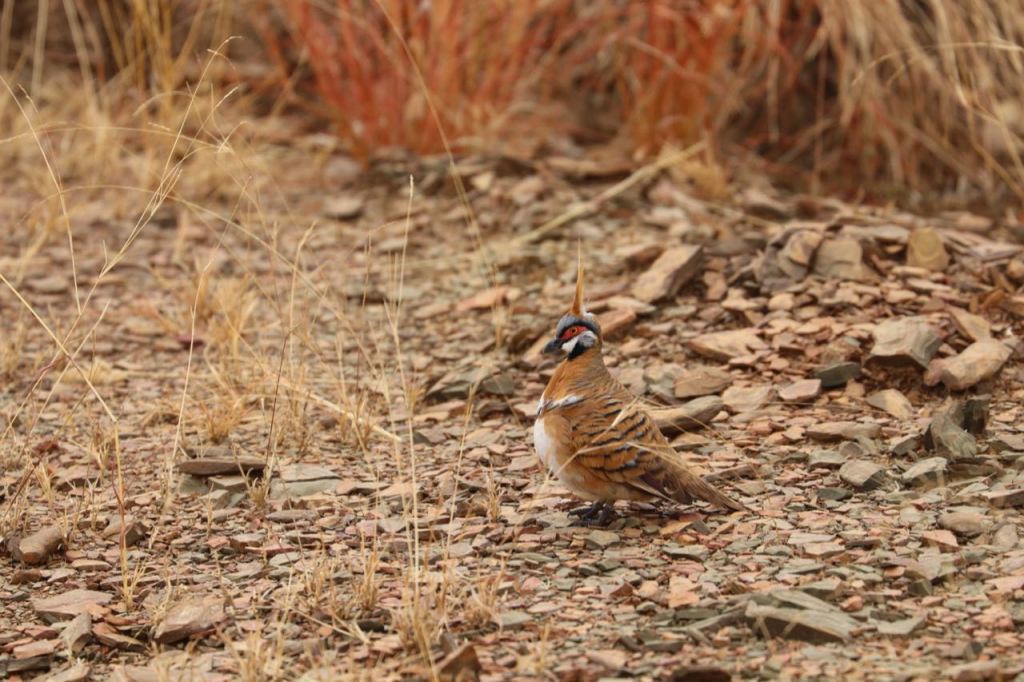
Spinifex Pigeon
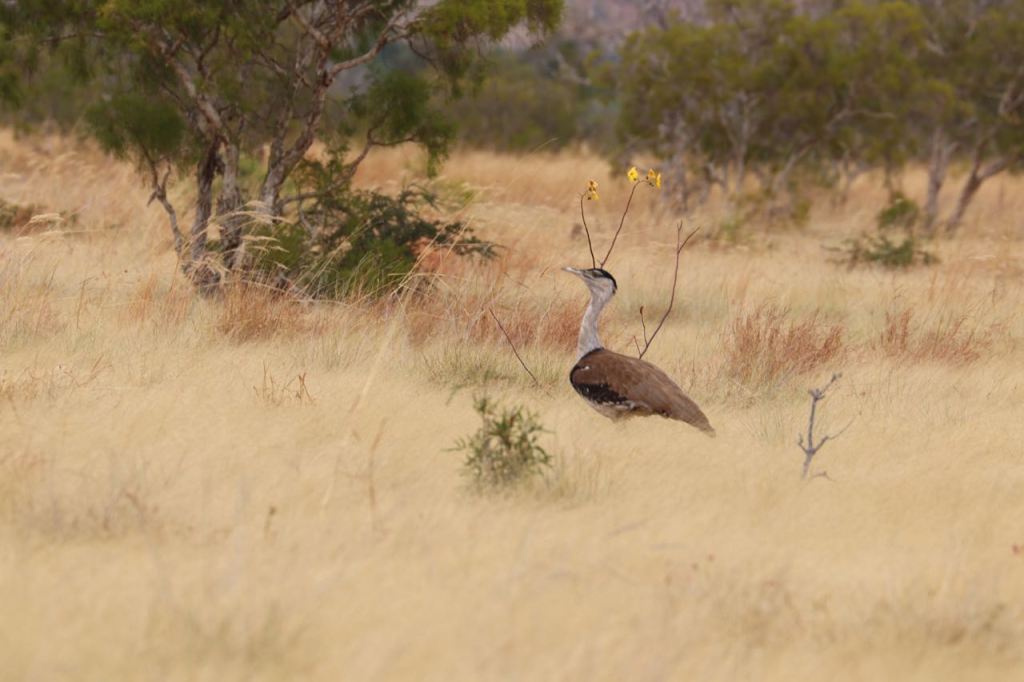
Bustard 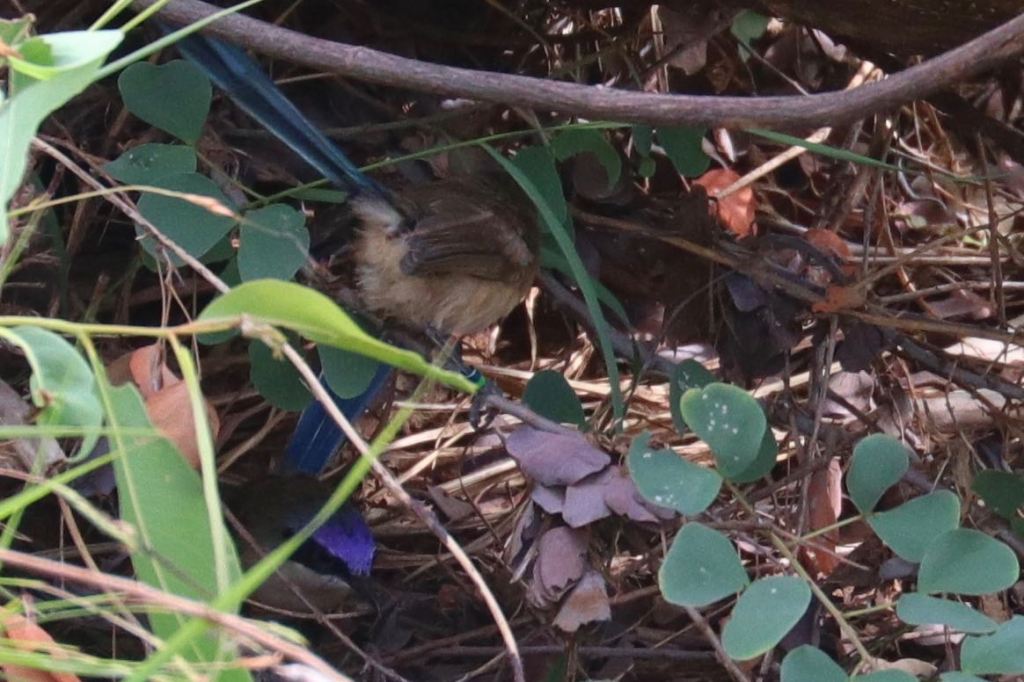
Purple Crowned Wren
Cane toads are a recent arrival and the latest challenge. At Mornington we saw many cane toads in the evening in the short distance from the campsite to the bar and restaurant complex. These will be a scourge on the local wildlife. It is so sad to see and I especially fear for the rare birds which spend all their lives in their territories along the grassed waterways where toads would also reside. They are trying some techniques such as trying to get predators to eat cane toad meat which has no poison but a product to make the animals feel nauseous and so not want to eat cane toads. The predators such as quolls, crocodiles and any large birds and lizards are the animals killed by the toxin of cane toads. It’s like having toxic baits being introduced in a wholesale manner across the ecosystems of these previously toad-free environments. The effects will be catastrophic over time. It is so sad there can’t be a beneficial contribution from science to manage the problem.
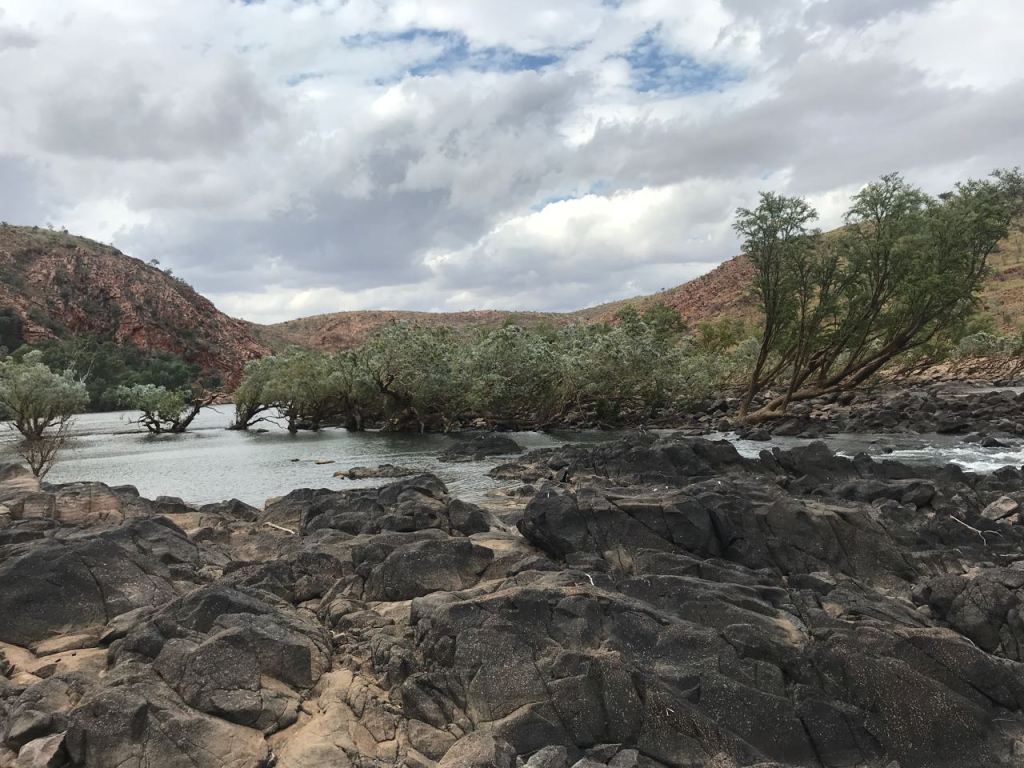
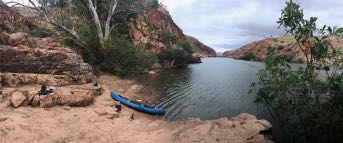
Canoeing Diamond Gorge
The success of the organisation for its science-based land management practices has meant a number of neighbouring indigenous groups in their land administration are using their techniques in the Kimberley. In some instances, they have entered into joint management arrangements. It’s such a positive mode for management with 60 ecologists employed by the organisation. They also only spend 15% of their funds on admin being a lean organisation. It was great to have the opportunity to visit these holdings.
 Marian's Travel Blog