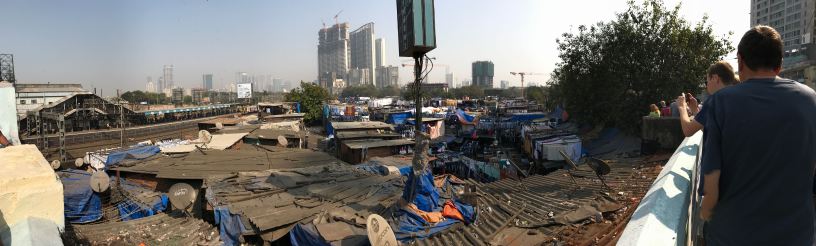
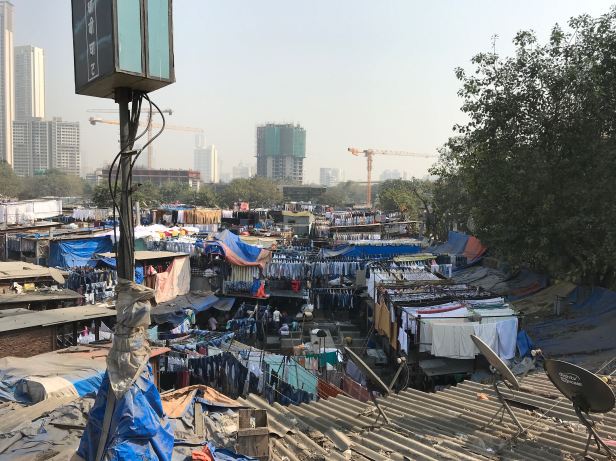
Bustling Mumbai was our final stop in India. The city is an economic powerhouse of India. Its’ population is believed to be 22 million. Many of its residents (40% or so) live in large shanty ‘slum’ communities. People from particular rural areas and specialist craftspeople or workers have tended to coalesce in the same districts as the continuing movement of people occurs from country to city. These slums have become relatively organised and have supplied services such as water, sanitation and schools. These areas provide a degree of comfort and communal living sought after by many. The contribution to the economy from the economic activity within slums in Mumbai is substantial. Literacy levels in ‘slums’ are high with young people gaining work outside such communities often choosing to stay.
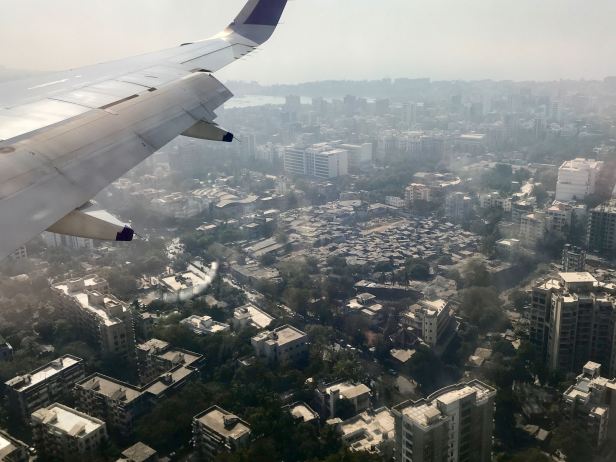
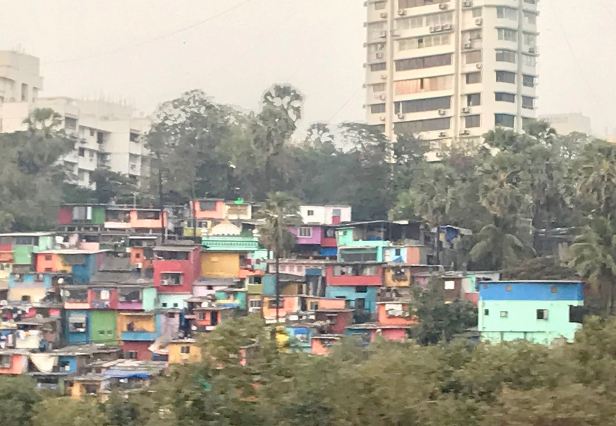
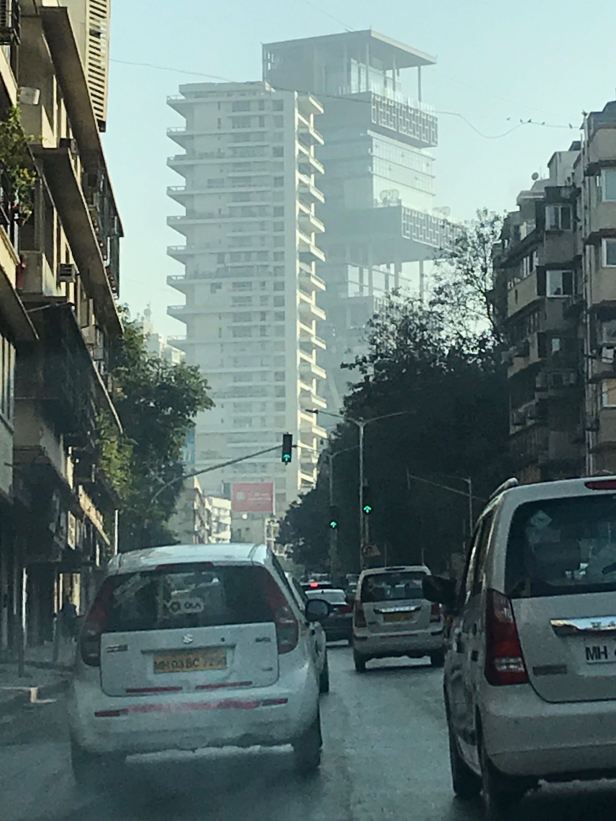
Real estate is very costly in Mumbai with reportedly the highest city real estate prices in the world for residential property. This peninsula has been continually expanded and infilled from its original status as seven islands. The world’s most expensive dwelling is located in Mumbai being a 27 storey skyscraper with each floor double height. It includes three helipads and five storeys for accommodating the magnate owner’s vehicle fleet. In addition to the resident family, over 600 staff are employed on-site.
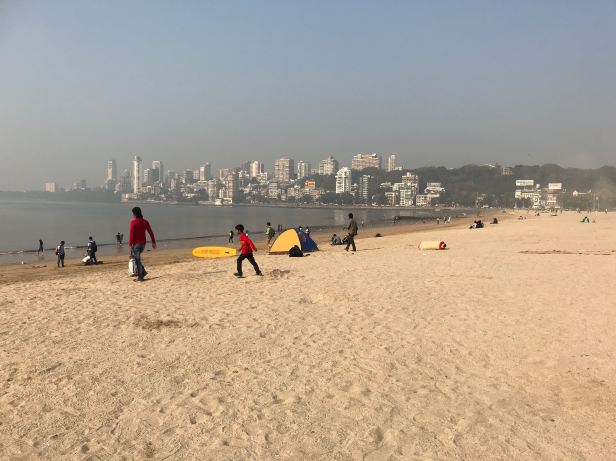
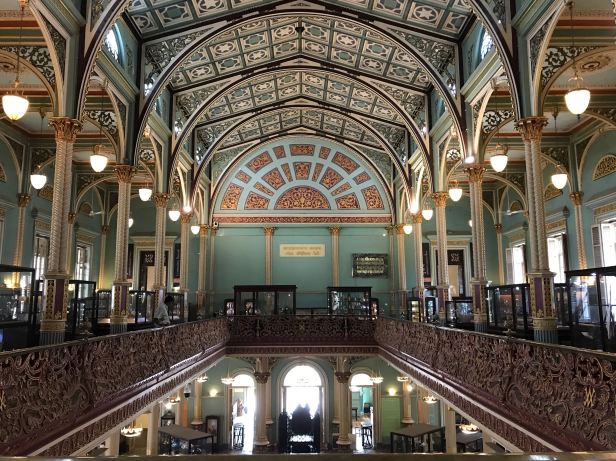
The architecture of the city is impressive with its extensive civic buildings from its time as a powerful colonial city. Many streets in the downtown area are lined with 3-6 storey stone Georgian buildings and are today prestigious government, banking and commercial buildings. There is a surprising amount of open space with public parks and sports grounds, including large cricket, polo grounds and a golf course close to downtown Mumbai. There are also large areas redeveloped with modern buildings.
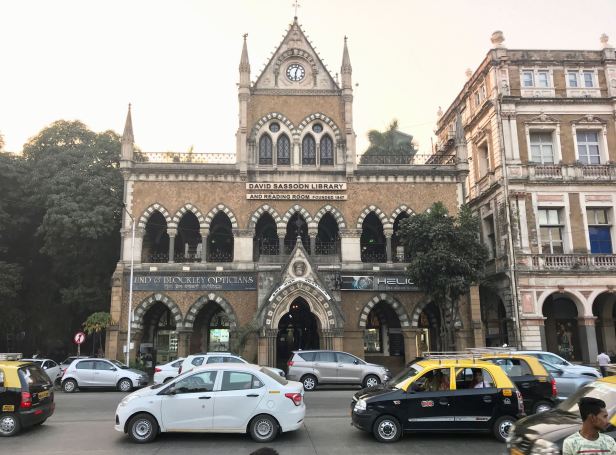
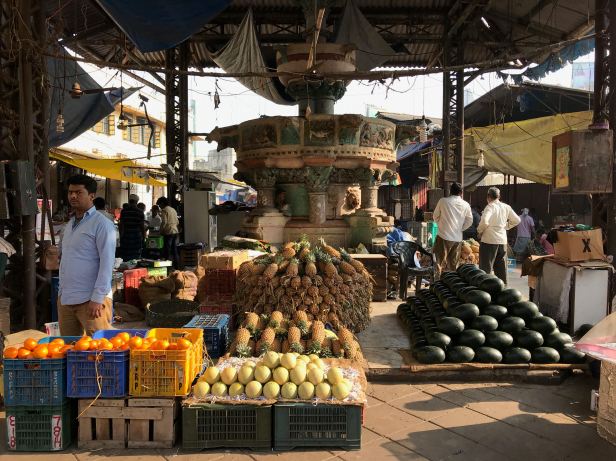


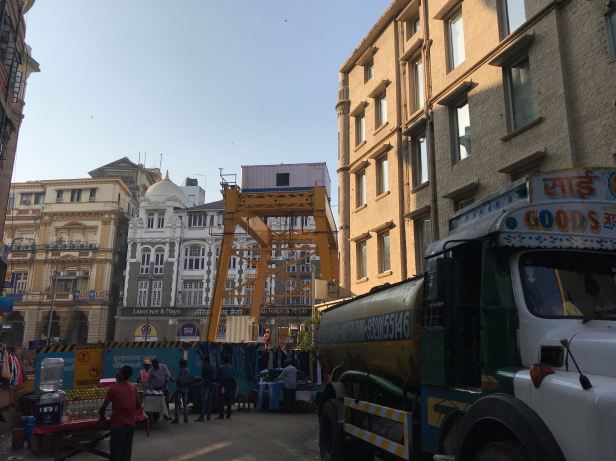
Traffic controls in downtown Mumbai exclude tuk-tuks and non-motorised vehicles (no cows, elephants etc.) so traffic movement is more like the pattern of a western city. A large underground Metro station was under construction outside our hotel in proximity to the former Queen Victoria railway station causing disruption in our local area.


It involved an enormous crane on rails sliding up and down undertaking construction work for a couple of blocks on a major thoroughfare. The road will be reinstated on top afterwards. This station is one of approximately forty new stations under construction for two new Metro lines to augment the existing line in north Mumbai.
We visited Malabar Hill where the Parsi community is concentrated. This group is important within Mumbai having significant commercial power and influence within the city. Many of India’s magnates (for example the Tata’s) and politicians are from this community with Freddie Mercury probably the best known person of Parsi heritage in the west. At the Mumbai Museum, there was a fascinating explanation of the Towers of Silence (there are several in the city) where the bodies of deceased Parsi community members have always been laid out to be taken by vultures.
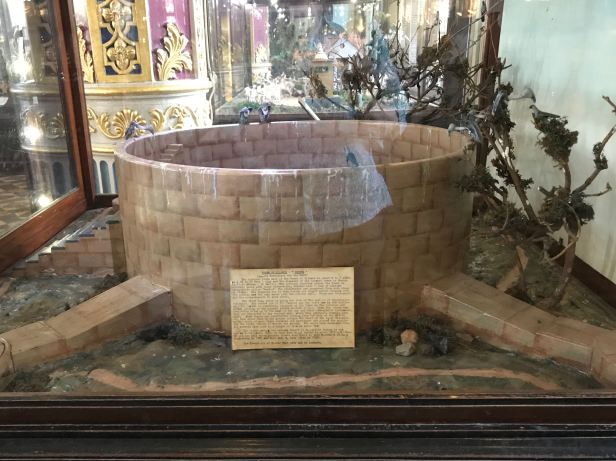
This practice in recent times has been undermined by a crash in the population of most species of India’s vultures. Between 1993 and 2002, 99.7% of India’s vulture population died. Research revealed the culprit to be a chemical used in treating livestock, diclofenac. When Steve and I last visited India in 1991 large numbers of vultures were to be seen everywhere circling over every waterway and open area where detritus could be targeted. They were big mournful looking birds. Apparently vultures were a key part of the recycling of detritus from animals, particularly of cows which are sacred for Hindus and are not much eaten in India. The decline of the vultures has resulted in a big increase in rat and dog populations. Rabies particularly has become a much greater problem in recent years. Substantial effort has been expended to try and stop the decline of vultures with captive breeding and legislation to stop the use of the chemical, however the situation has not greatly improved. Meanwhile the Parsi community have tried to use solar energy using panels and lenses like a magnifying glass to aid body decomposition. Other practices such as burial or burning are not permitted.The loss of the vultures has been an enormous tragedy for the ecosystems of the country.
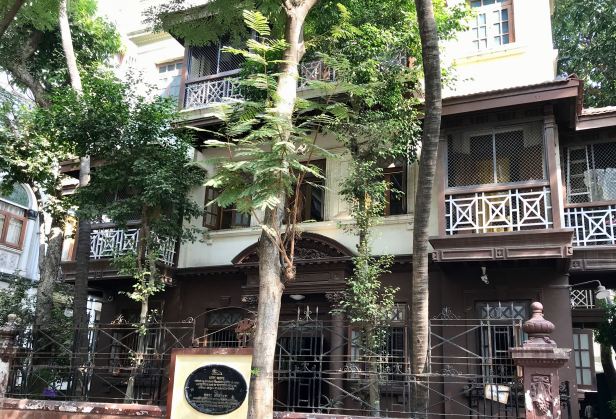
We also visited the house where Mahatma Gandhi stayed when visiting Mumbai which is now an important library concerning his endeavours and holds much of his personal correspondence and book collection. His personal book collection is fascinating and he was a particular fan of Tolstoy and ended up a close friend and correspondent. His letters to many powerful players such as Churchill and Mountbatten during the campaign of the independence movement for India are on display and held at the museum / library.
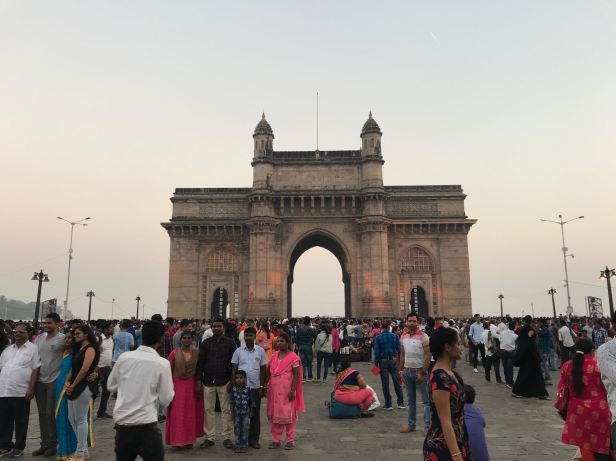
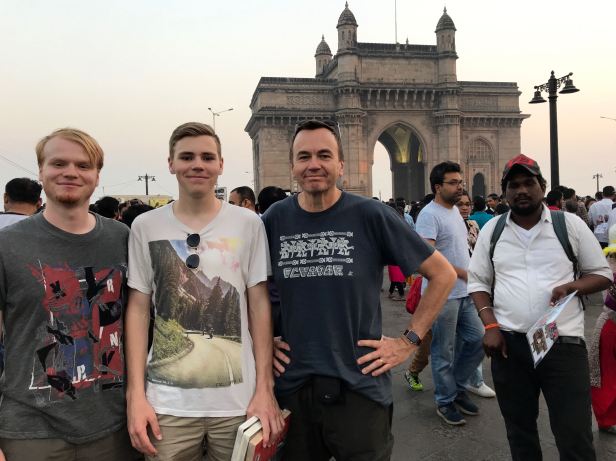
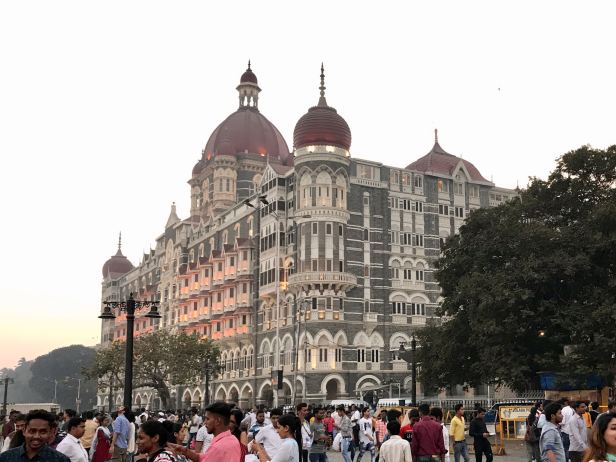
The Gateway of India was our first stopping point. Security screening was undertaken on the approach to the monumental arch, given the recent history of terrorism activity in the area. Scores of people were killed in the 2008 assault on multiple sites in Mumbai including the adjacent Taj Mahal Palace hotel. Crowds of people were in proximity to the monument when we visited on a Sunday afternoon. The place was teeming with people. We thought it was probably particularly busy as it was a Sunday afternoon but a similar number were visiting the following lunchtime when we drove past. It is a hugely popular destination attracting tens of thousands of people every day. We also had our last taste of celebrity at the Gateway of India. In our time in India, locals at tourist spots would regularly approach my sons and myself for selfies! I guess it added to something to the amusements of a day out?!


We also became aware of Mumbai (and the state of Maharashta) having one of the oldest legal drinking ages in the world at 25. We learnt this after checking when Sam, having recently turned 18, was keen for a second alcoholic spirit drink at an airport lounge. He was unimpressed but at least had had one already.
We didn’t see any evidence of Bollywood activities on our visit, but Mumbai had a very large number of cinemas. Our guide had an interest in Bollywood with his father having been an actor and technician in the local industry. He kept pointing out numerous large cinemas in our visit. The cinemas only screened local movies and Bollywood is the heart of the enormous Indian film industry and must be an important economic contributor for the city.
Our final meal in India was at a Korean/Punjabi restaurant – a surprising combination. The food (Punjabi) as always was delicious and in departing the country (having had a terrific visit) we were all sad about leaving behind the delicious dining opportunities. From conservative eaters, the eating horizons of my lads had grown exponentially and we had all been pretty much unscathed and delighted in the different food we’d encountered. The range of breads had been a particular discovery. The Indians sure know how to cook.


 Marian's Travel Blog