
Alice Springs is a cosmopolitan town of locals and many visitors at this time of year. There was extra crowding at the time of our visit with South Australia having recently introduced Covid restrictions. It seemed a lot of South Australians decided to stay put in Alice Springs, rather than return to a lockdown. We were only able to squeeze into a site outside of town. The top end of the tourist industry meanwhile was no doubt hurting with the current lockdowns of New South Wales and Victoria.
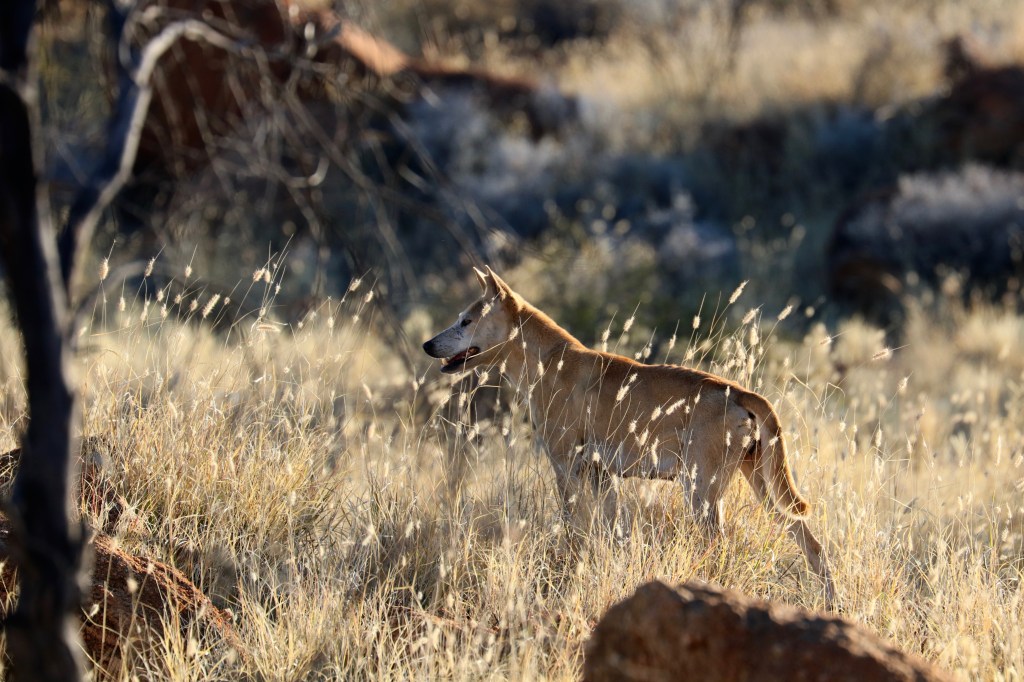
Dingo, Alice Springs Telegraph Station 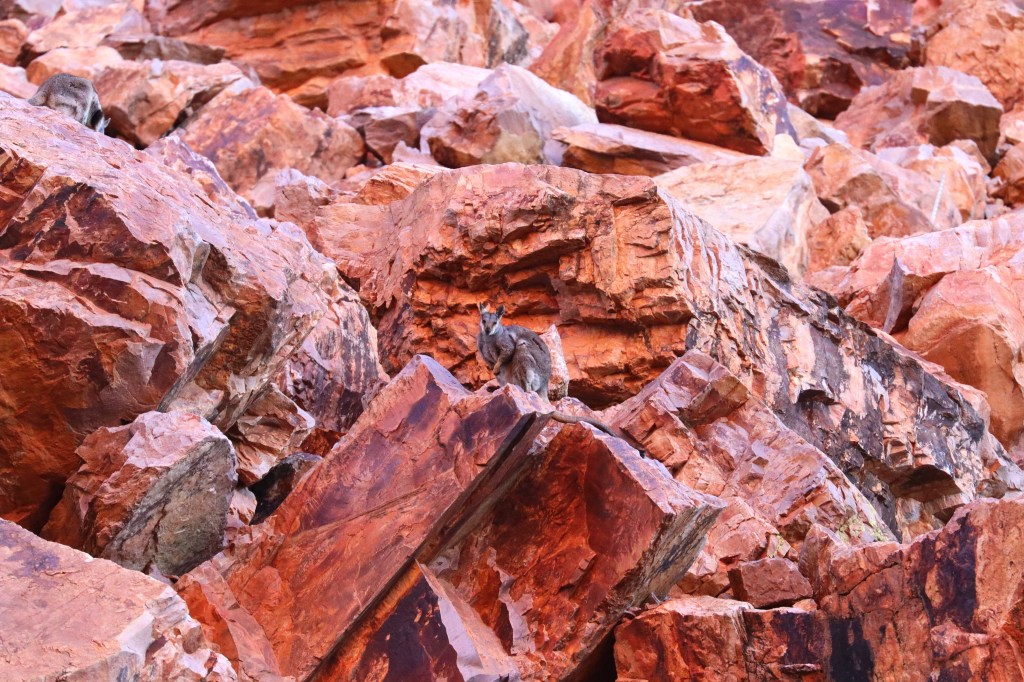
Finally a rock wallaby, Simpson’s Gap
The Macdonnells range is so attractive with its layering of weathered rock creating an east- west valley with Alice Springs in the middle. Its red sides form a frame of striking rock formations with various gaps and canyons along its length. The geology of the area is ancient and there is an array of life given its desert environs.
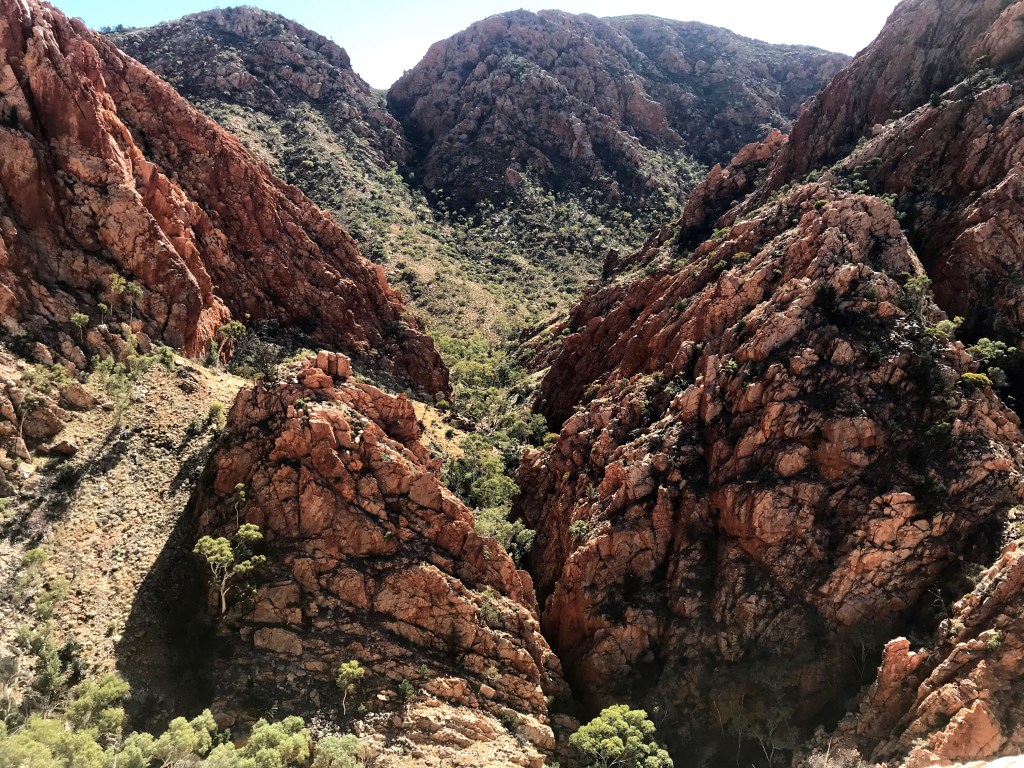
View to side valley from Standley Chasm 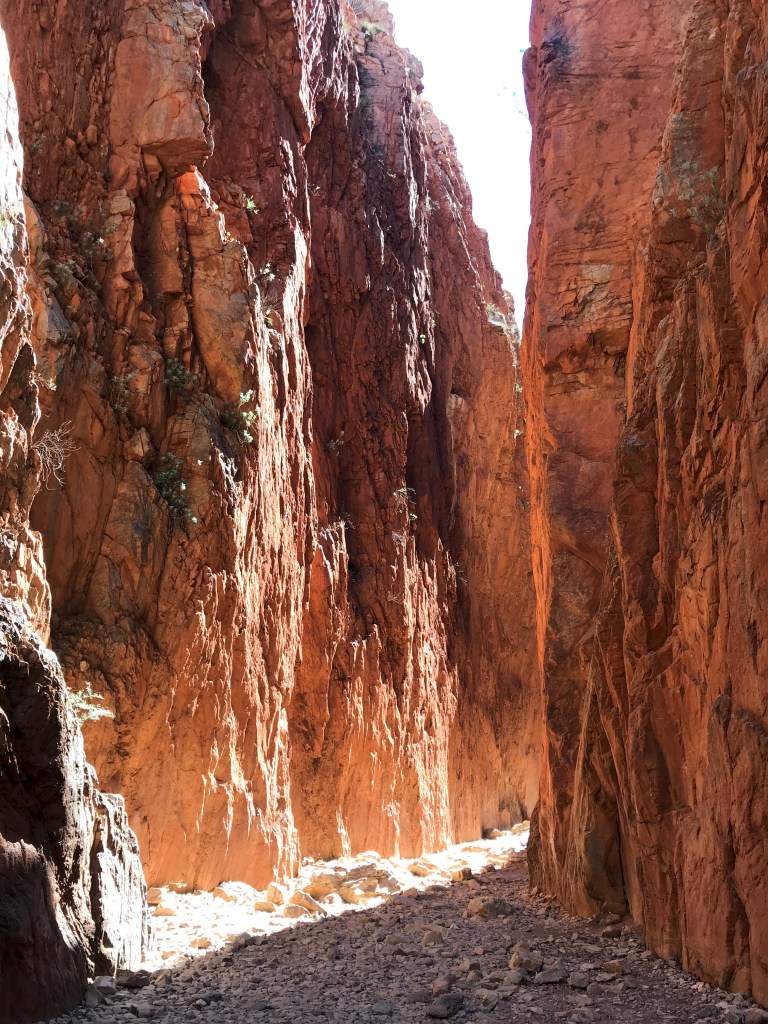
Standley Chasm
The now dry Finke River is the major waterway of the West Macdonnells that has a delightful series of gorges and attractions. We stayed at Ormiston Gorge for two nights having visited Simpson’s Gap, Standley Chasm (and done a nice brief hike up a side path for spectacular views) and the Ochre Pits. The gorges were beautiful but the ochre pits were particularly interesting. These had been an important source of colouring material for traditional decoration and ceremonies for a very big area. The colours of the cliffs were remarkable (clays of shades of red, yellow, brown, whites, greys) and just exactly the colours you imagine for traditional use. They had been used for an extended period.
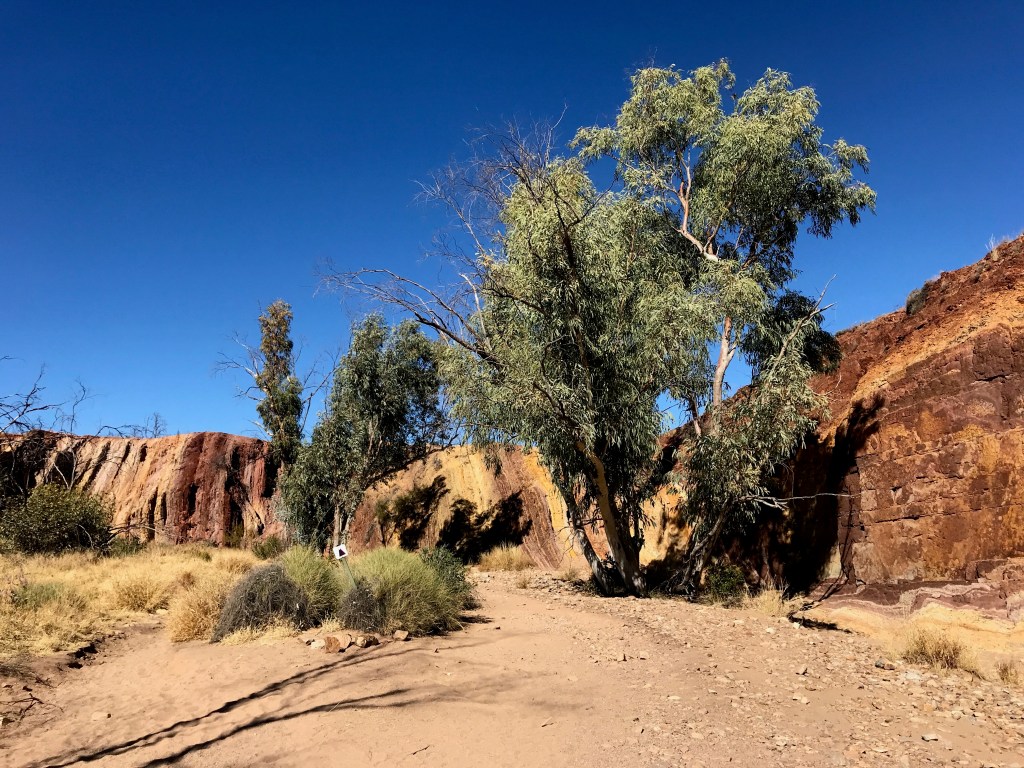
Ochre Pits 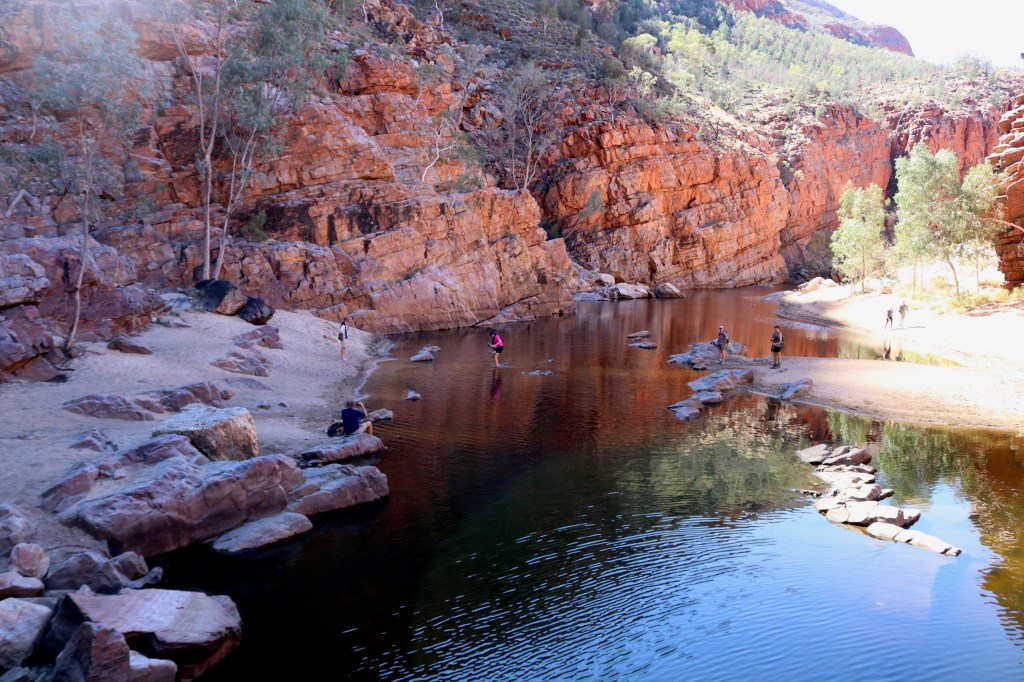
Freezing water crossing, Ormiston Gorge
We were fortunate camping to be accommodated in the overflow area for the national parks camping at Ormiston Gorge. The main campground was very crowded so we’d done well.
The only negative aspect of our visit was the dead fish at many of the small remaining pools in the waterways from cold and low oxygen levels. It is sad to see but is a natural phenomenon as the water diminishes in the dry.
We undertook a trip highlight activity which was walking up Mt Sonder. This is the final stage of the Larapinta trail, a walking track that traverses the length of the west Macdonell Ranges. It is a 15 day hike and tough, necessitating carrying a sizable pack and lots of water. Hikers must be self-sufficient for many days so it is a serious undertaking. I would love to do this trek but may not have the opportunity.
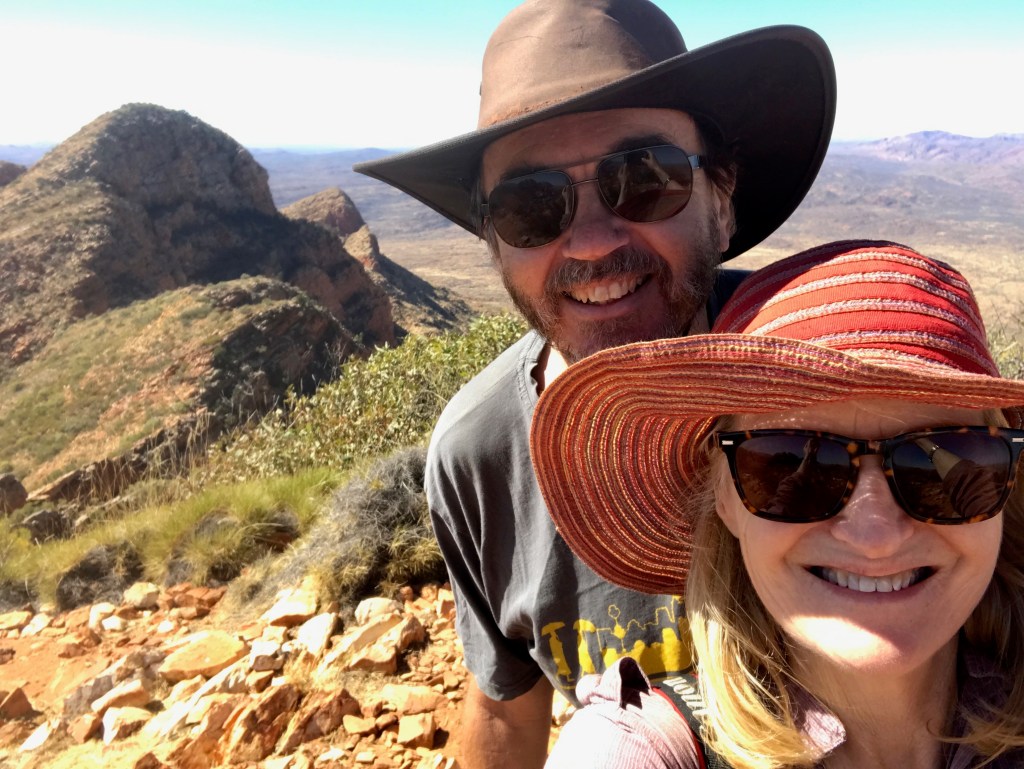
On top of Mt Sonder 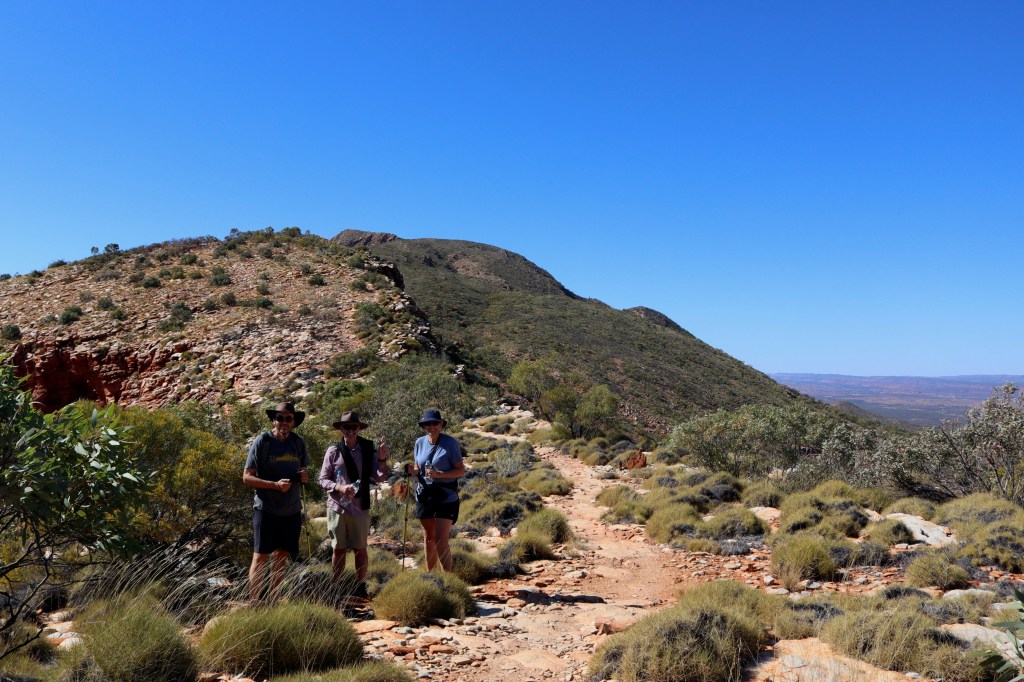
Path heading up ridgeline
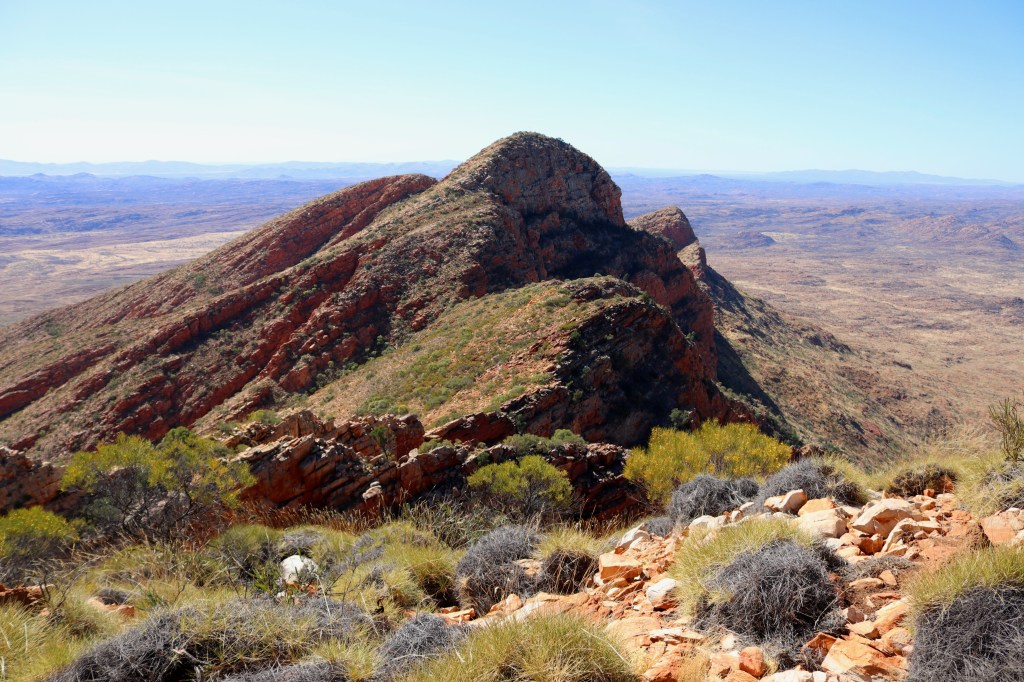
View from top 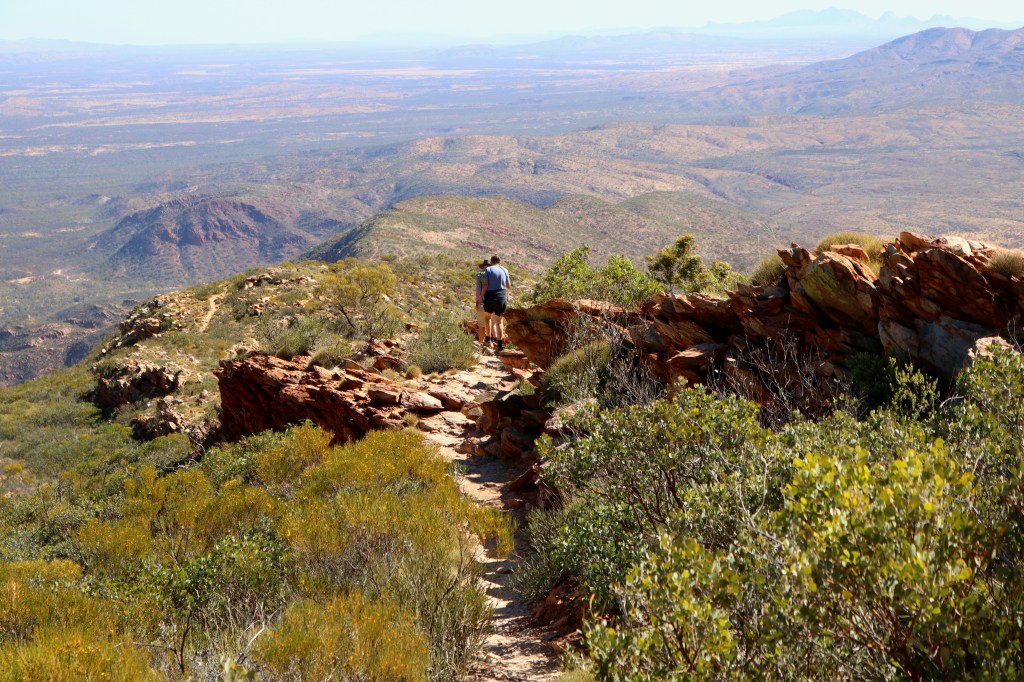
Our descending path
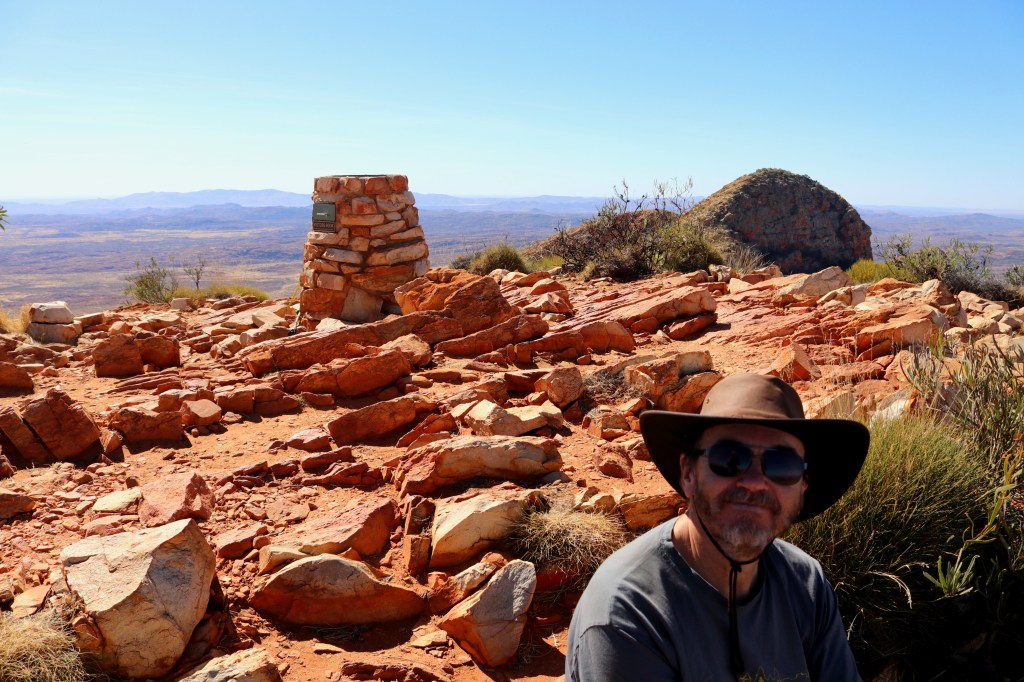
Cairn 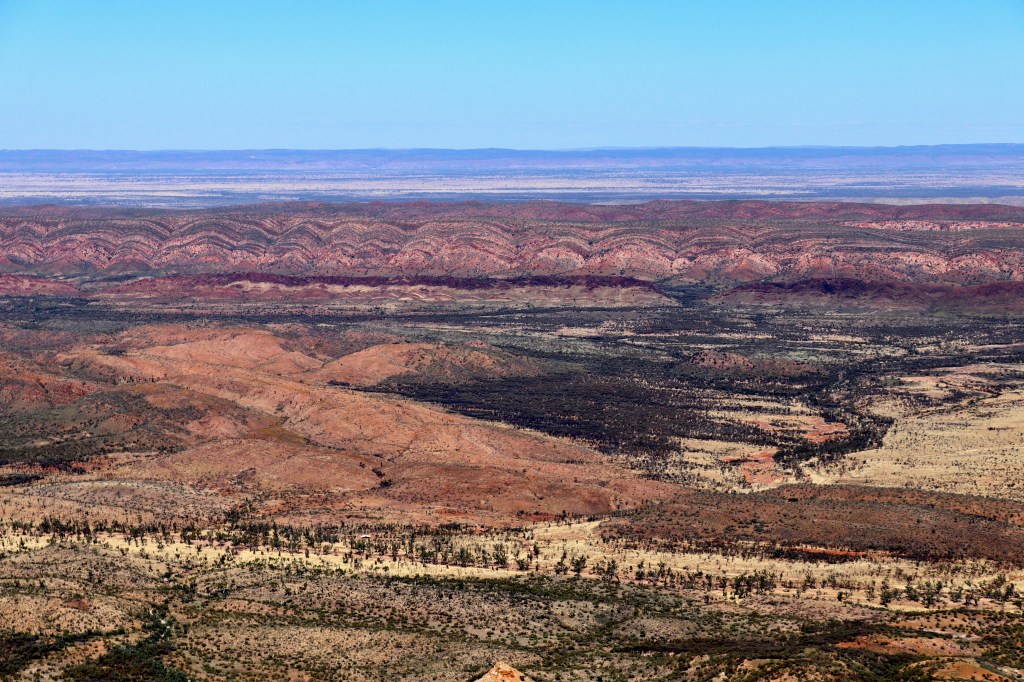
Spectacular formations
Mt Sonder is the highest peak of the valley and looms in the landscape like Mt Doom. It’s a 750m rise from the carpark on rocky terrain. The walk follows the ridge of the mountain from the west. The path was very exposed and we were buffeted for much of the track by strong winds. There were great views all the way to the top though so the walk was very rewarding. The walk up and down took over 6 hours, so we were footsore at the end. We then had to walk 1.3km up and back to Red Rock Gorge which is accessed from the same car park. The walking path was boulders virtually all the way. It was only a 1.3km but it felt like a long way after our labours. When we returned to our campsite our gazebo had been blown over and damaged from the strong winds. L
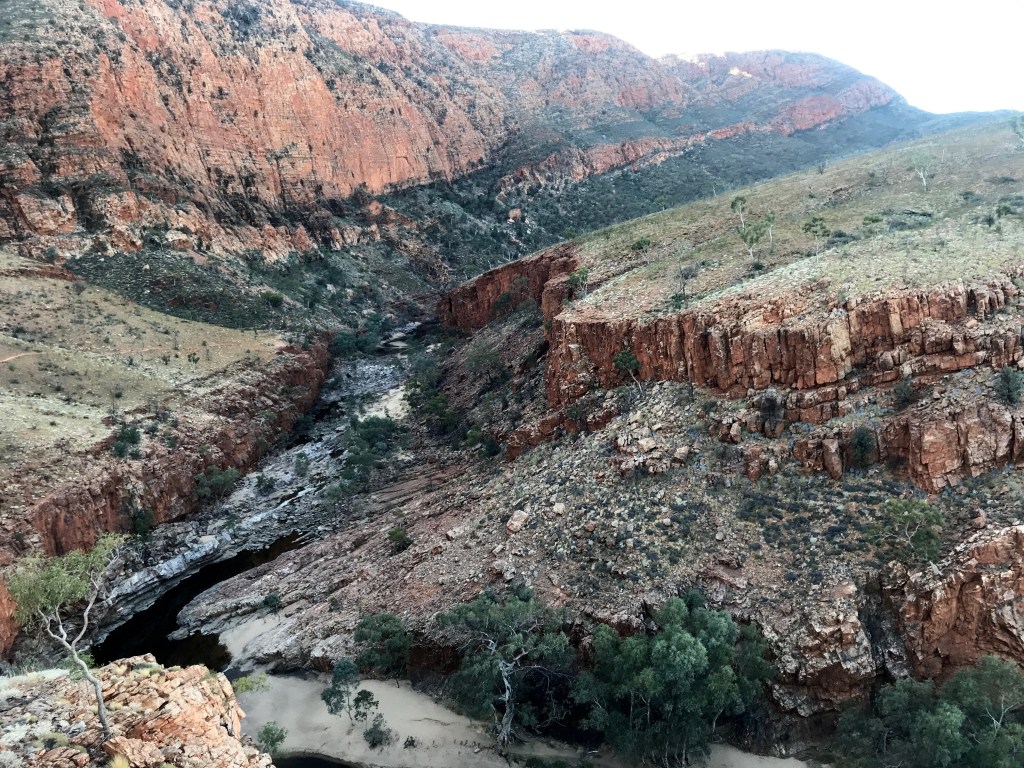
Ormiston Gorge 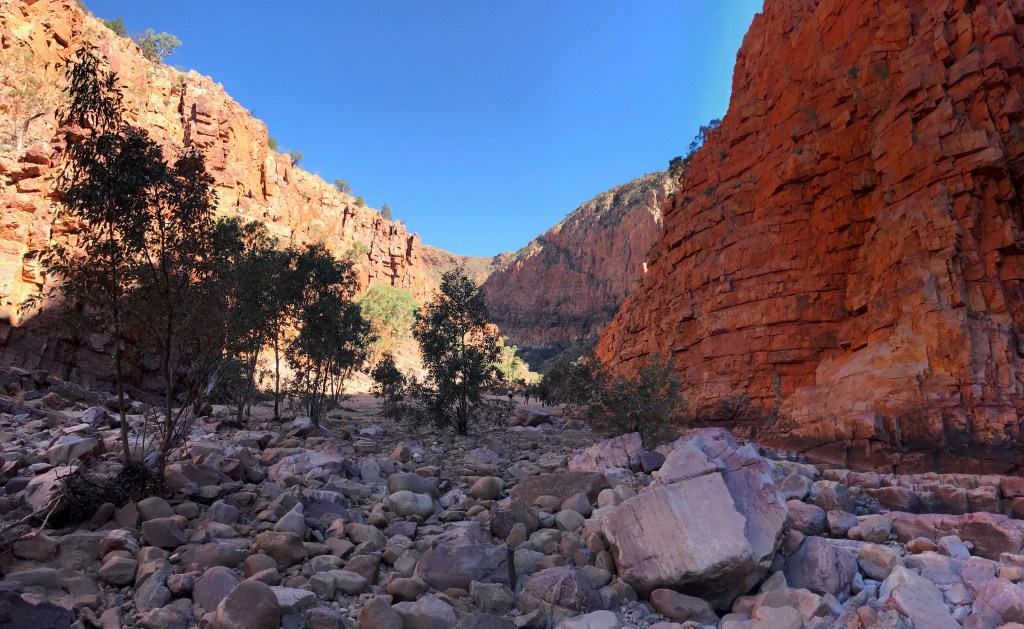
Northern end, Ormiston Gorge
Our final day in the West Macdonnell’s involved the highly rewarding hike around the Pound at Ormiston Gorge and several additional short walks. Back in Alice Springs we had a welcome night at an apartment for a warm cleansing stay and an excellent Korean meal for our farewell dinner with our friends.
We headed to the East Macdonnells, which are less well-known than the western end when our friends headed to Uluru. The landscape was interesting with several distinctive rock formations, some featuring rock art which relates to the local dreamtime stories of the area. Caterpillars and the transitions from pupa to butterfly feature and there are various forms from linear painting (which is not culturally appropriate to photograph at Emily and Jessie’s Gaps’ to rock petroglyphs (like chiselled outlines) at N’Dhala Gorge.
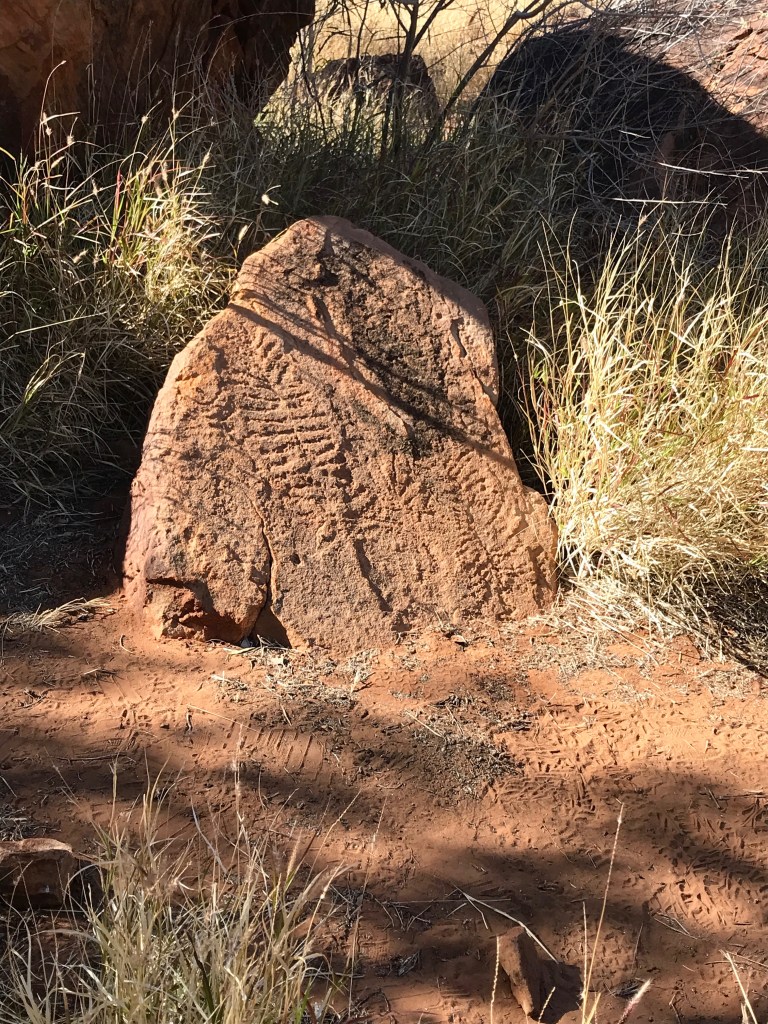
Petroglyphs, N’Dhala Gorge 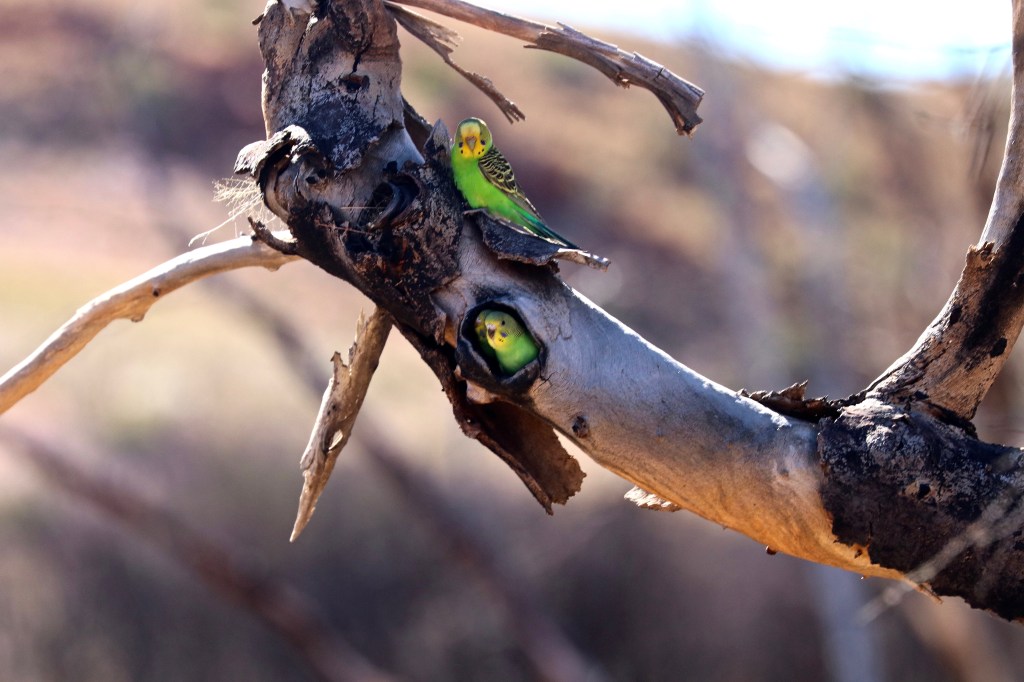
Lots of budgerigars
Trephinia Gorge was also attractive as was the Corroboree Rock and a separate 4wd side trip to a waterhole.
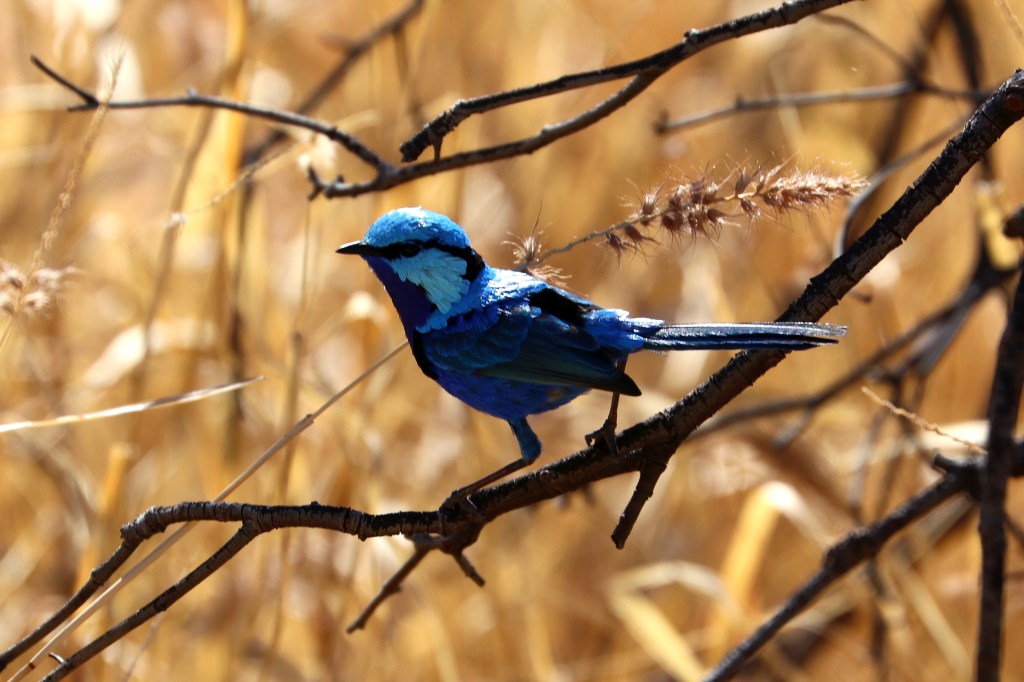
Splendid wren 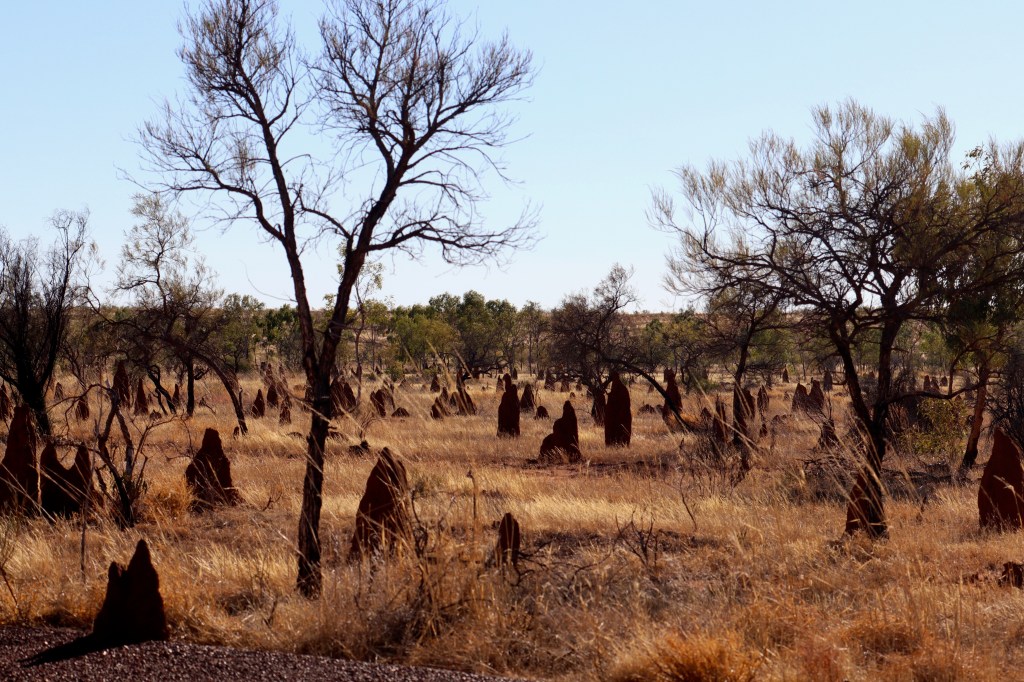
Termite mounds
We also camped at a historic homestead at Ross River Station which had been re-built using some of the old sleeper timbers of the old Ghan railway. There were even seats from the first class carriages of the trains. The homestead was a delightful place to spend some time on a cold evening away from the campsite looking at historic information about the area and having a drink in their cosy bar.
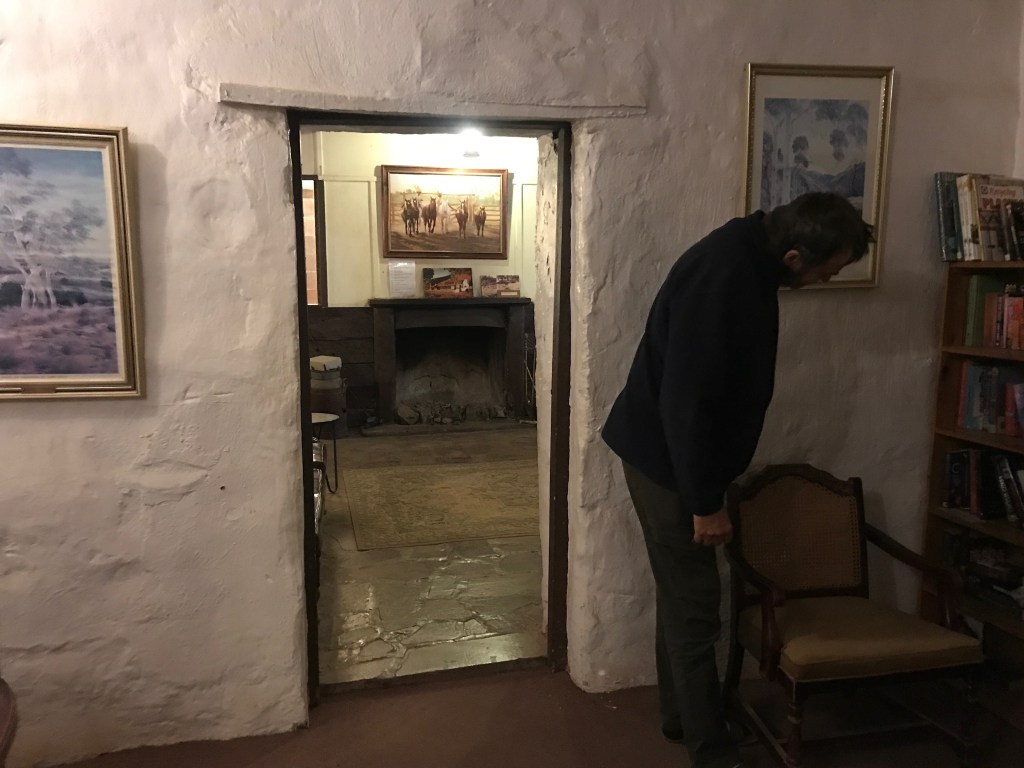
Ross River Homestead 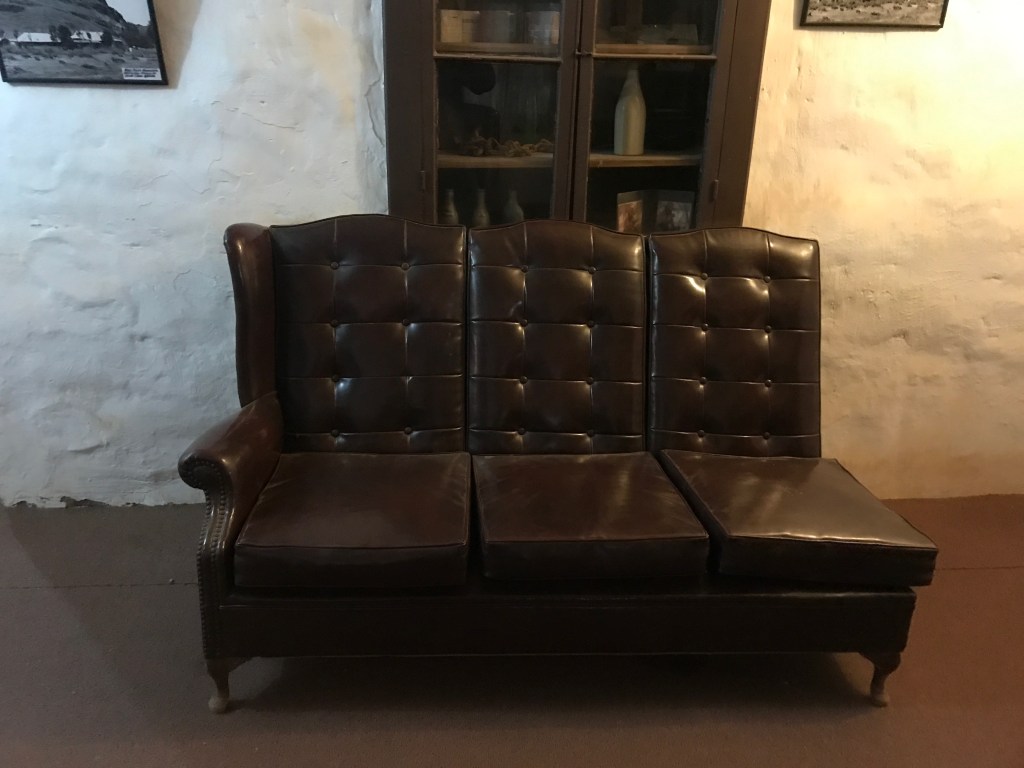
Seats from the first class carriages of the old Ghan
The old gold mining settlement of Arltunga was our next stop. This is preserved as part of the national heritage estate and was the first settlement of Europeans in central Australia established in the 1890’s. Some of the settlement’s buildings have been repaired and rebuilt. Extensive mine shafts were dug by hand along quartz seams in the area. Infrastructure for crushing and extracting gold and buildings for the administration of the settlement were constructed. There were immense problems with the supply of water and provisions for the isolated settlement. It struggled for many years and a few shoe boxes of gold only were extracted from the area. Several houses had been restored and there were also deep shafts still existing that were covered over to protect visitors from falling in the deep pits. It was an isolated and god forsaken feeling place that must have been a very difficult environment for the early settlers. We subsequently returned to Alice Springs.
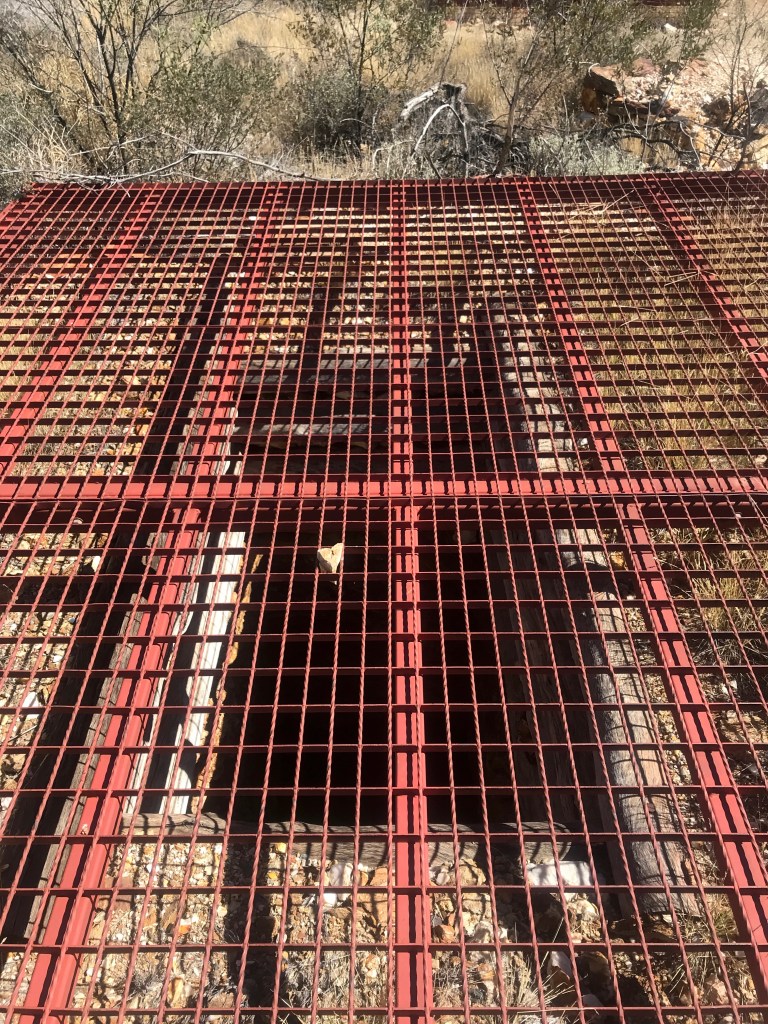
Mine shaft 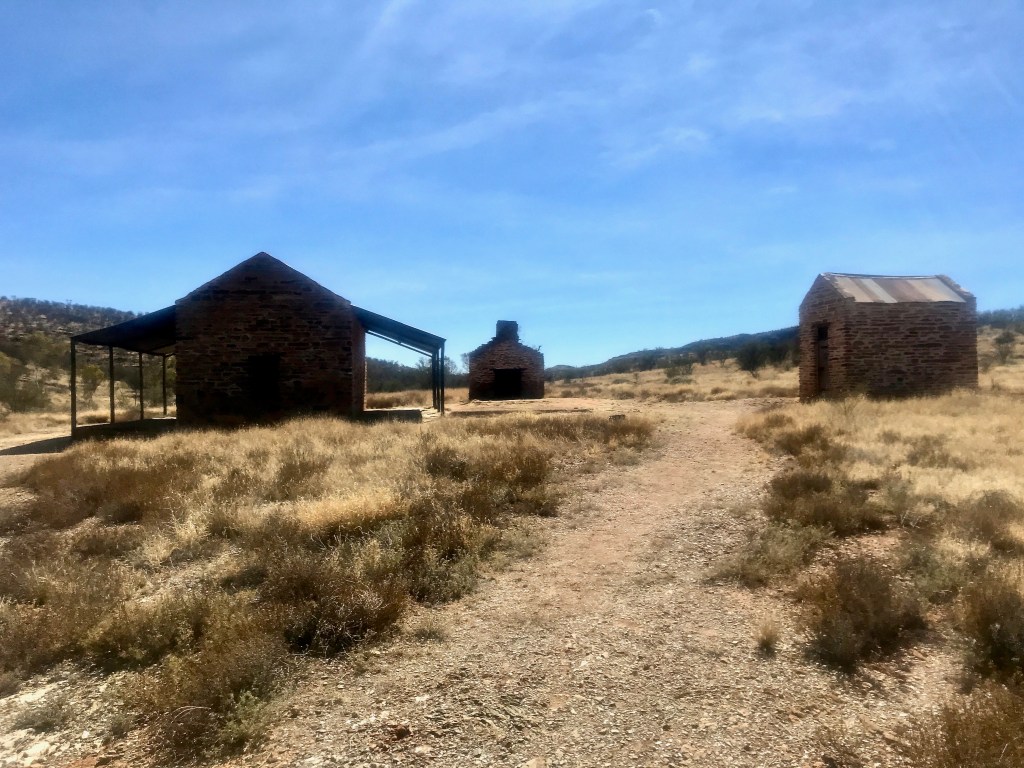
Police station and lock-up 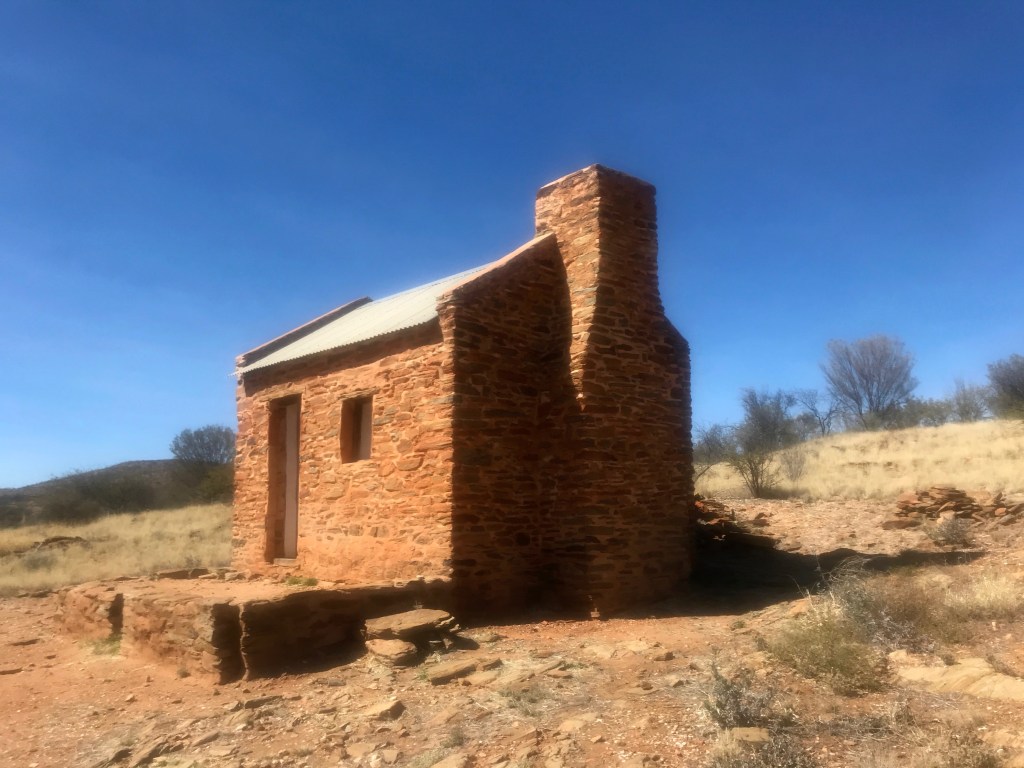
Single room house
Flocks of budgerigars featured during our time in the MacDonnell Ranges especially around water. These delightful birds swarmed in swift flocks manoeuvring around trees and rock formations at a startling speed. The size of the flocks varied from small swift moving shadows to large groups. They were spectacular. Zebra finches also featured in large numbers but didn’t move in fast moving flocks like the budgerigars. Driving subsequently north out of Alice Springs there were many flocks of hundreds of budgerigars traversing the highway in waves making delightful patterns with their fast moving flight – beautiful.
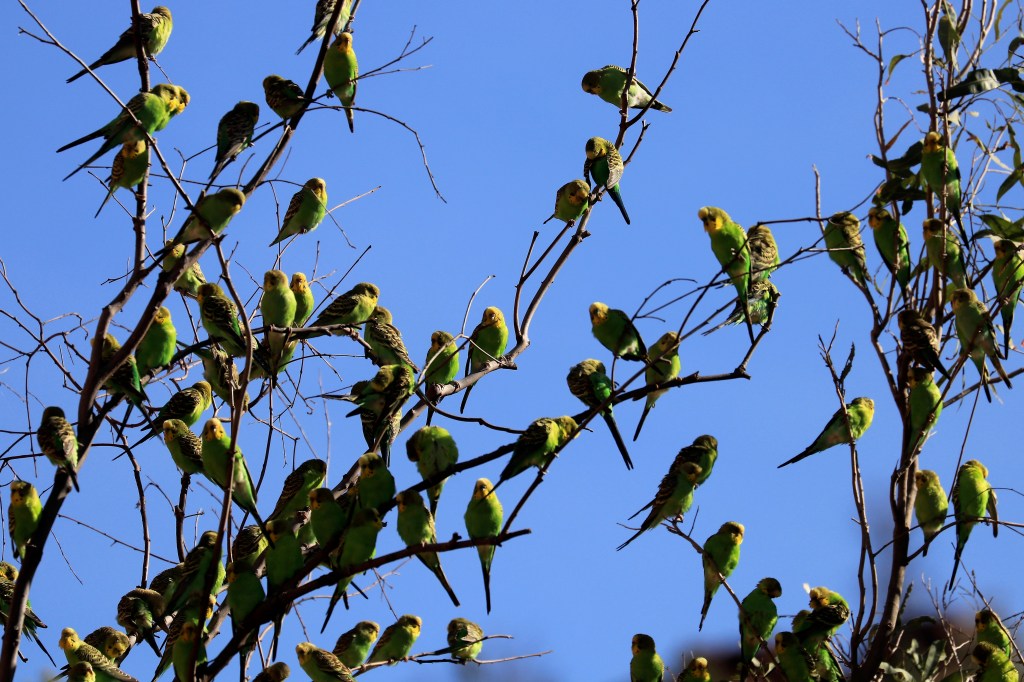
Lots of budgerigar 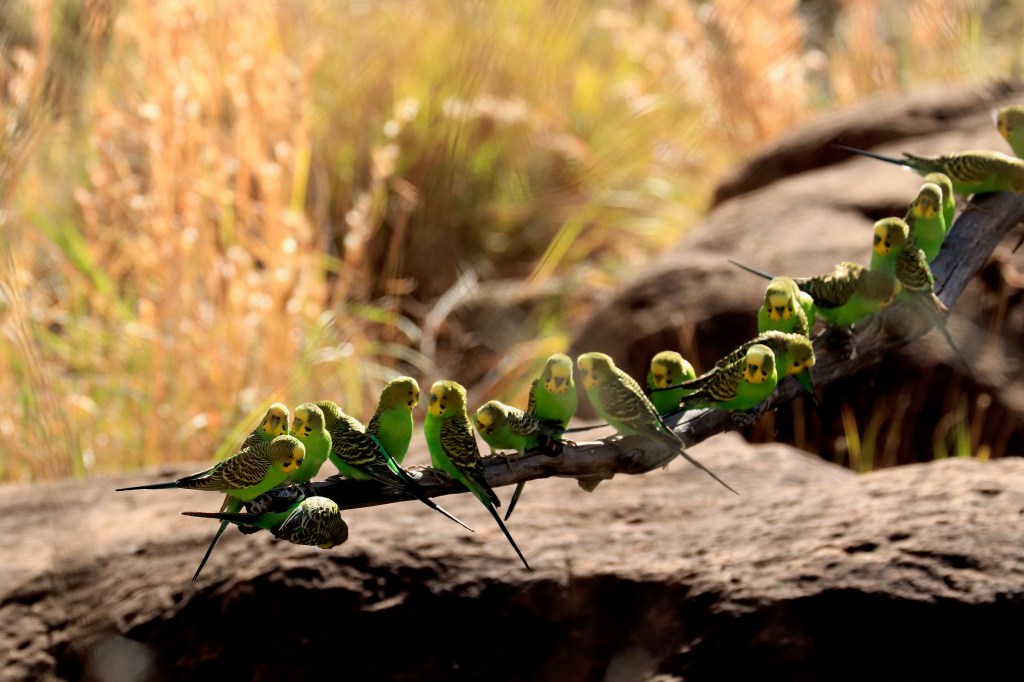
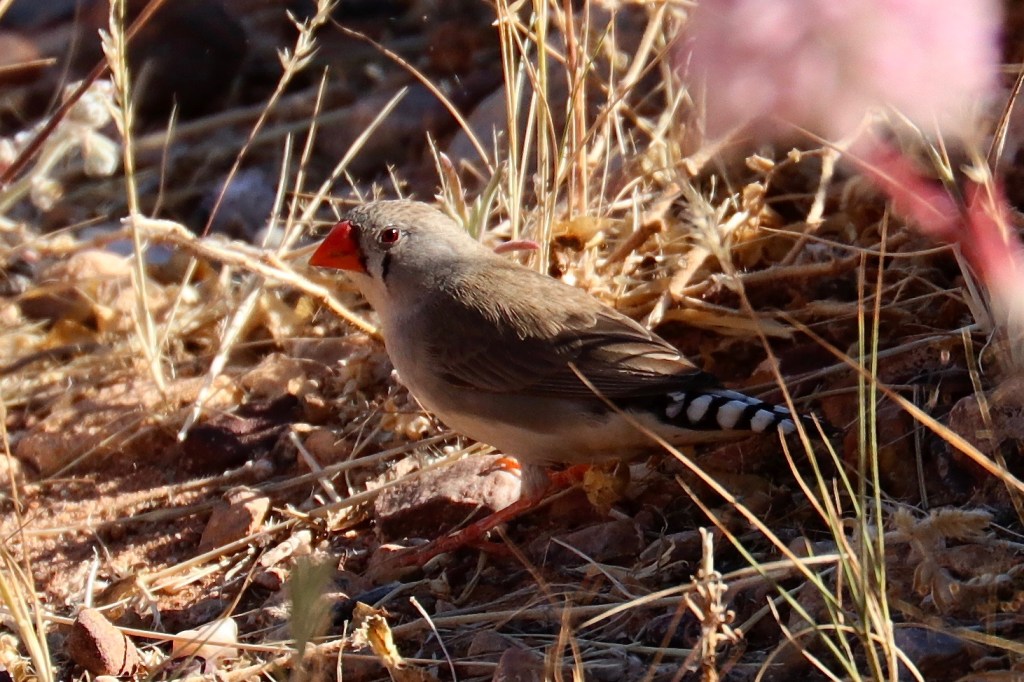
Zebra finch 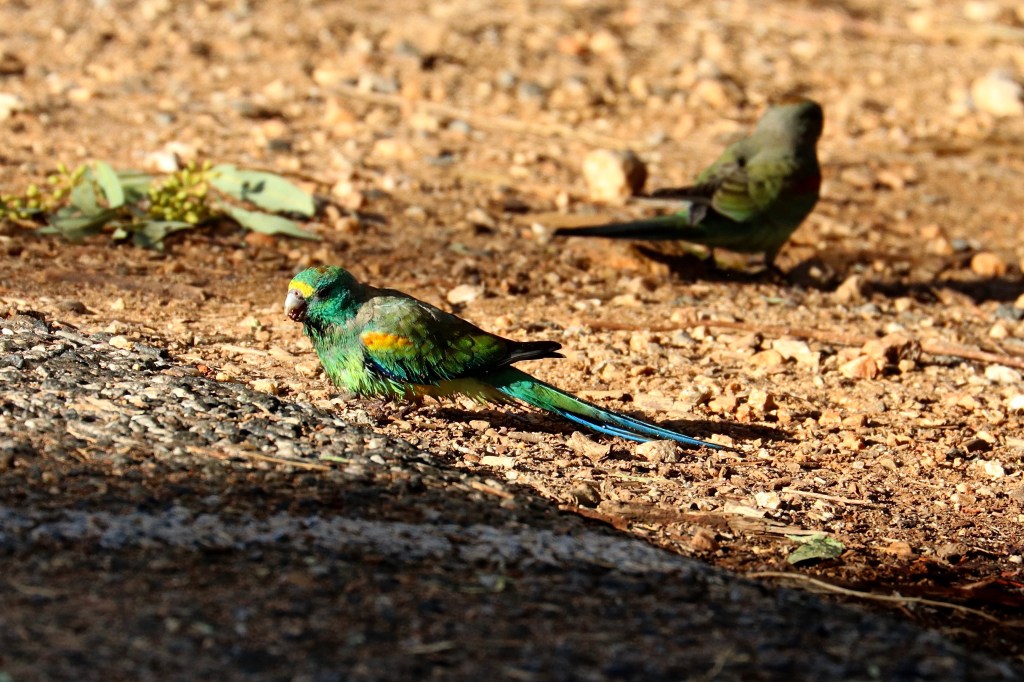
Mulga Parrot
 Marian's Travel Blog
You have captured the essence of Australia in your blog Marian. Thanks for the experiences that we have only touched on.
LikeLike