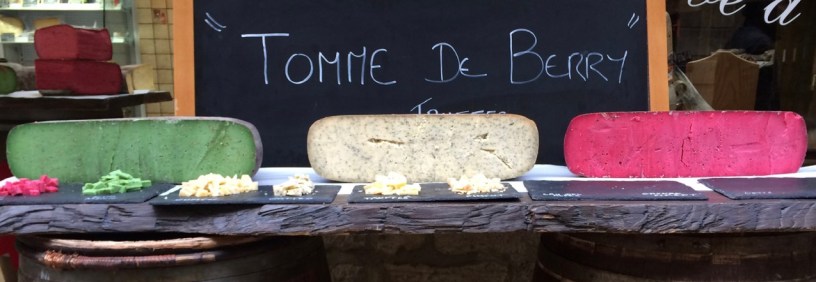
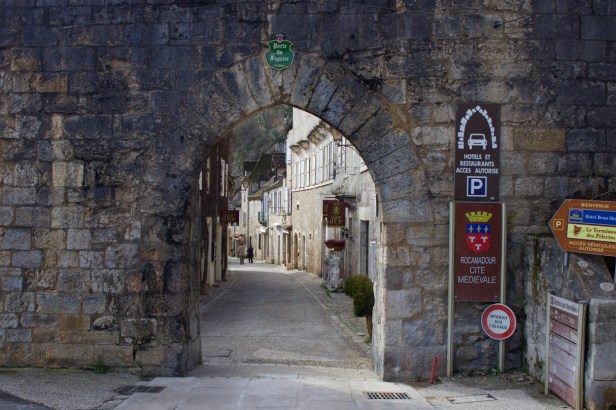
Sarlat has few visitors in the winter. Its walled town centre is quiet and peaceful unlike the thronging crowds of summer.
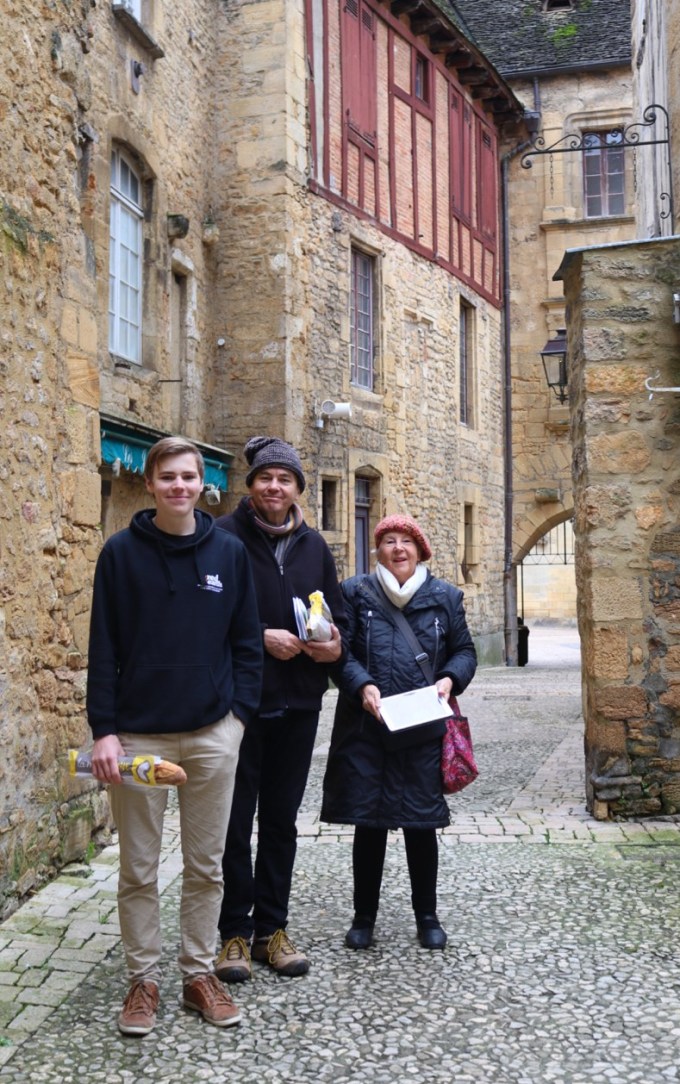
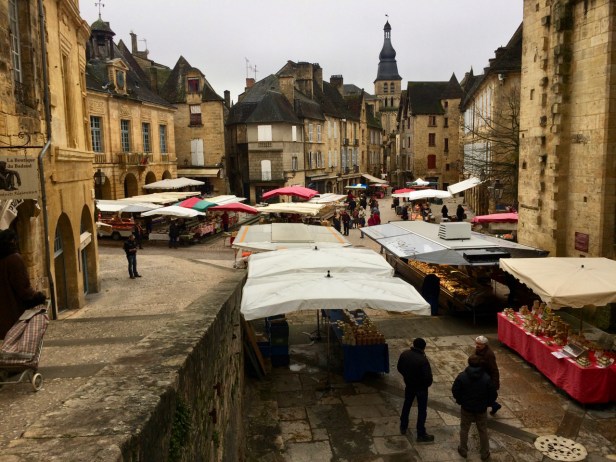
The Wednesday food market in the old town is only a dozen or so stall holders. There are still local food offerings from delicious cheeses to olives to meats, fruit and vegetables and products of duck and geese such as foies gras, a local specialty and duck fat in abundance. There is none of the buzzing vibrancy of the summer markets though, crowded with visitors, trying and buying and pondering the wealth of produce on offer.
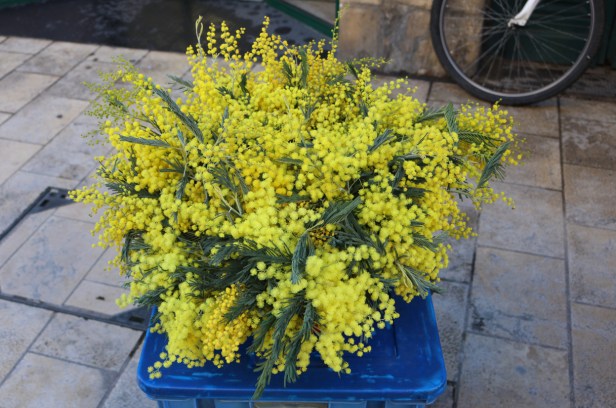
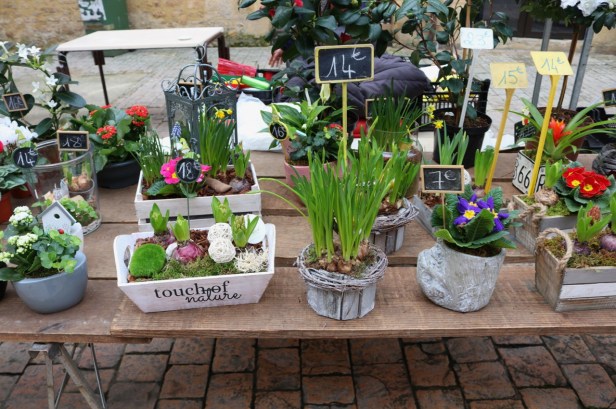
The Saturday market is more colourful with its local crafts and outlets in the main Rue de la Republic thoroughfare and more sellers of the specialty food and regional food offerings including colourful cheeses, sea food, specialty meats, antipastas and local dishes with big vats of paella and other hot dishes available for eating al fresco, or at home afterwards back in one’s warm abode. There is also the specialty truffle market operating with sellers using scales and carefully measuring small odd-shaped black offerings for eager purchasers.

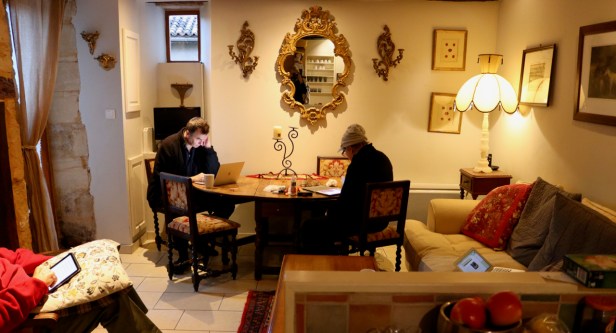
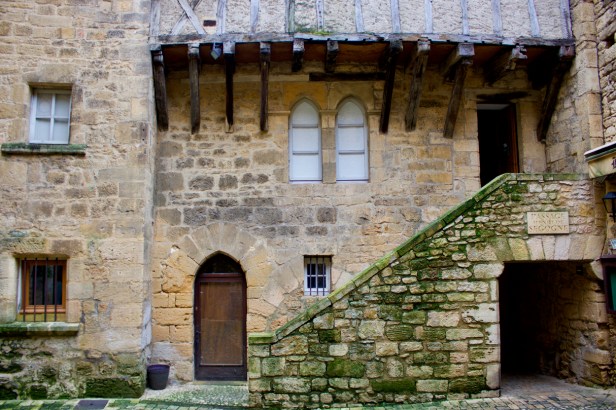
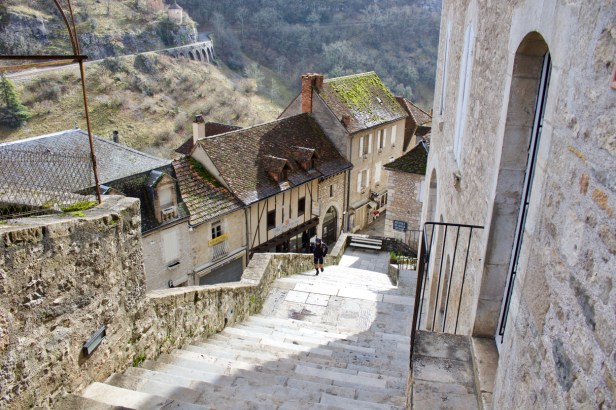
Our little house is a refuge in the old town, with the front door straight off the laneway into a small vestibule, living room and narrow stairs winding up two floors above – a definite trial for the aged and infirm. A ‘medieval doll’s house’ is an apt descriptor from my mother-in-law. My favourite aspect, apart from the fabulous carved handrail on stairs, is the contrast of the pedestrian street (with its tall cavernous stone walls of the adjacent forbidding abbey building) to the little house of amenities, period decoration and charm. It is part of a block of houses sharing common walls and origins built many centuries ago adjacent to the city’s walls.
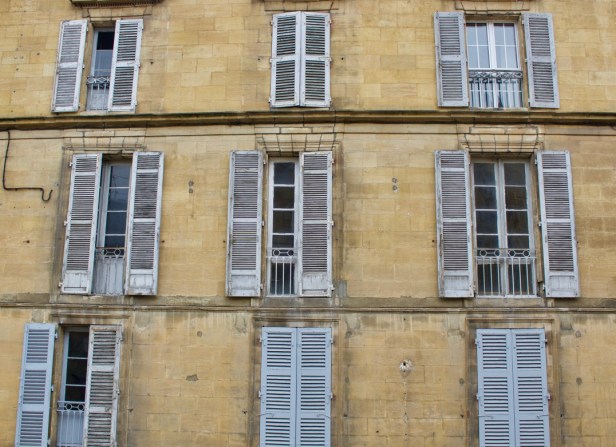
The houses of the old town enjoy little light compared to houses situated outside of the old town’s medieval walls or in the surrounding idyllic countryside. Locals generally prefer to live in the suburbs and countryside, rather than in the old town. Parking especially is more convenient. Meanwhile, tourists are drawn to both the old town with its crowds of visitors in the warmer months and the countryside villas with their space, swimming pools and charming locales.
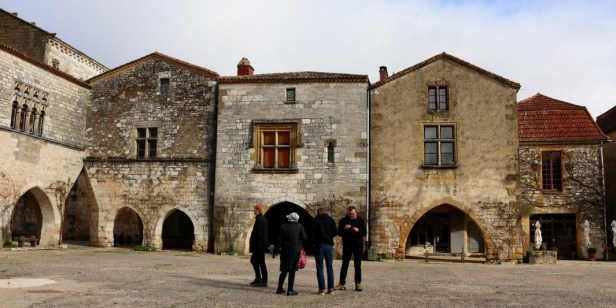
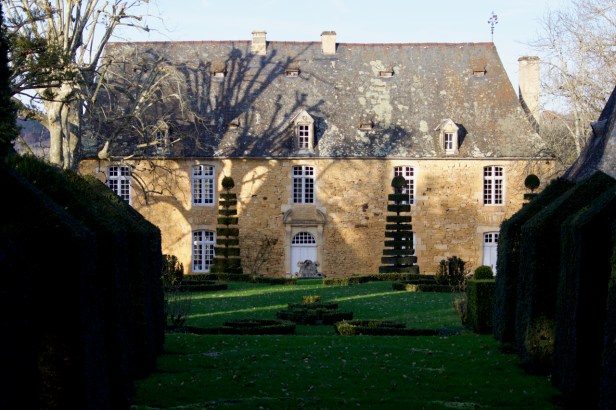
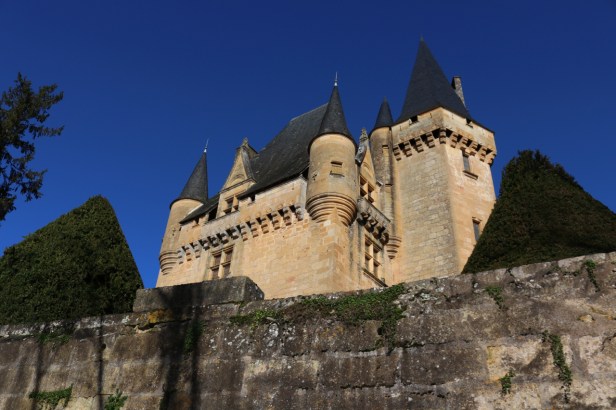
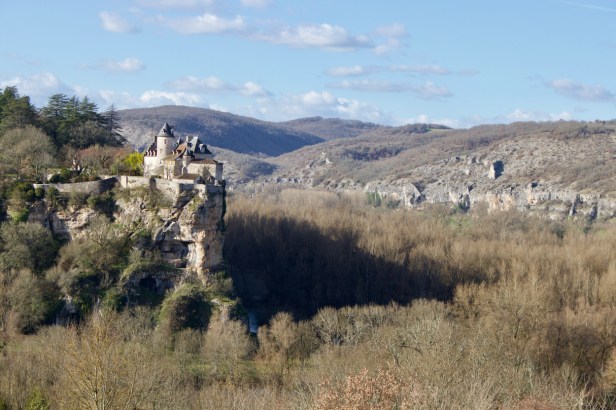
The surrounding area has two main westward flowing river valleys with Sarlat between these. The Dordogne valley to the south has lots of castles, chateau’s along its frontage and defensive towns called ‘bastides’ in the nearby area. The bastide towns date from ‘The Hundred Years’ war and have are some of several hundred defensive towns dating from the Middle Ages in this then disputed area of France, with the English and French battling through military might over land and power.
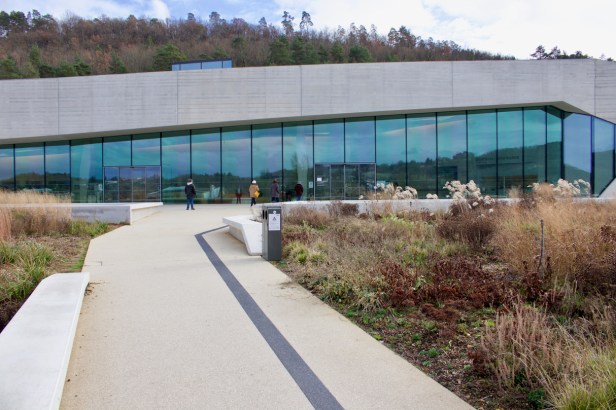
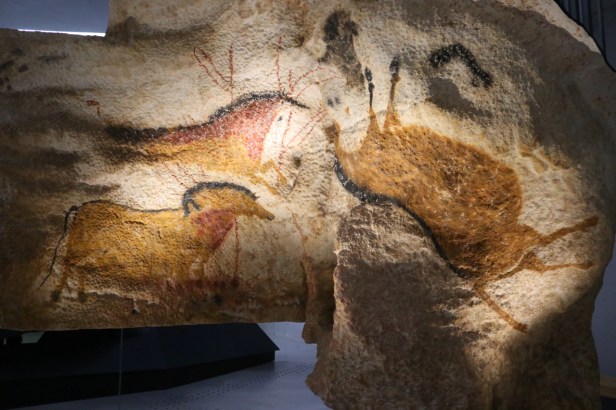
The Vezere River is more about prehistory, with extensive cave systems and the famous Lascaux and its Neolithic cave paintings.
It’s a delightful place to spend time.
 Marian's Travel Blog